
Common Budget Risks
Common Budget Risks (and How to Avoid Them)
Budget overruns are one of the most common concerns for property owners and developers. While construction costs continue to fluctuate, many projects exceed budget for reasons that are not market driven.
In most cases, cost increases can be traced back to decisions made, or not made, early in the project. Understanding where these risks sit allows for better control, more informed decisions, and a more predictable outcome. Not all risks can be quantified upfront, particularly where unknown conditions are involved, but having a clear view of where uncertainty exists allows it to be planned for and managed proactively.
Cost overruns are often the result of:
Incomplete information
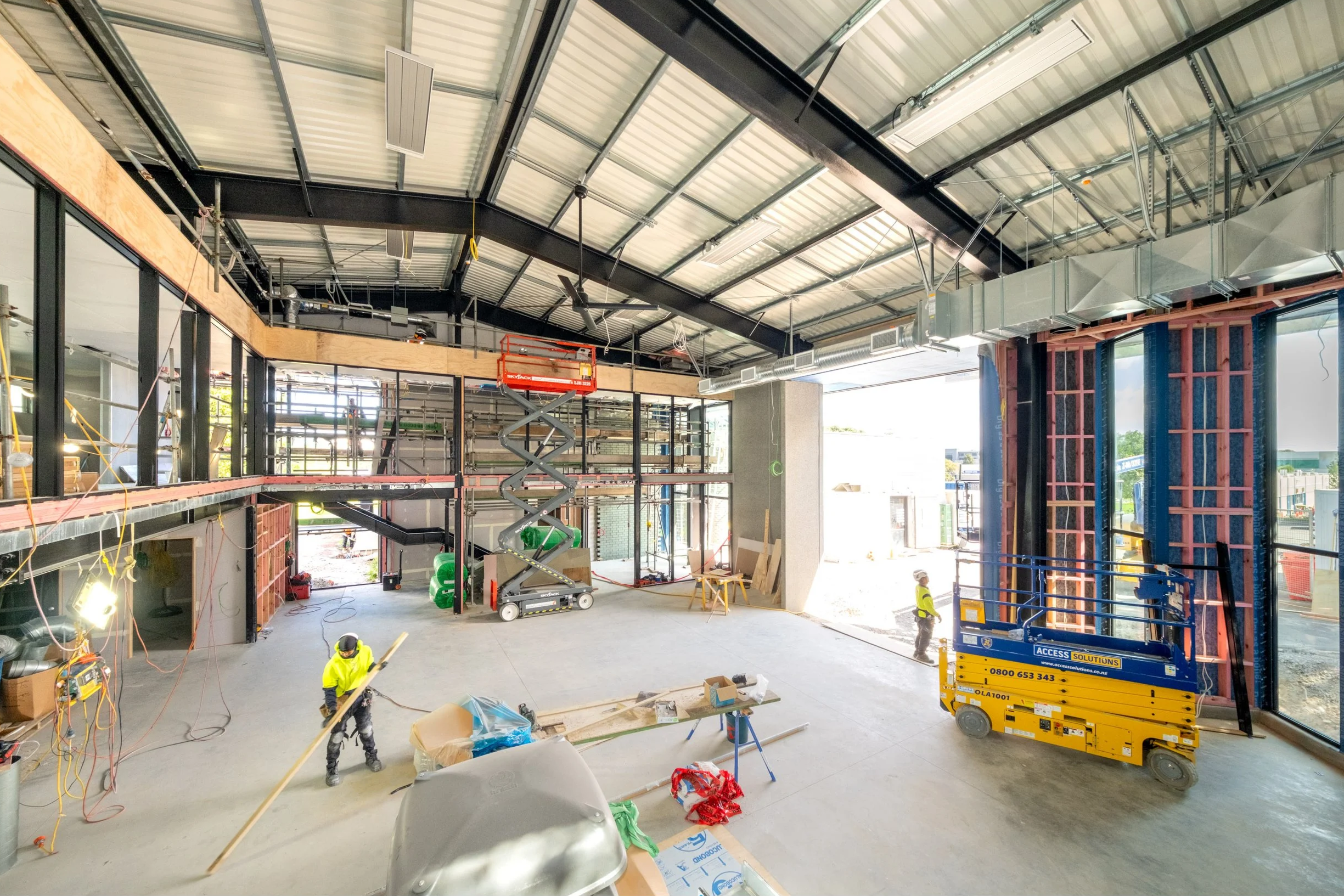
Unknown conditions, particularly in existing buildings once construction begins
Misalignment between scope, budget, and expectations
Late changes during design or construction
Underestimating compliance or site constraints
These are not isolated issues. They are typically connected, and when they compound, the impact on cost can be significant.
Common Risks
Most budget increases are not driven by a single event, but by a series of decisions, assumptions, and constraints that build over time. Identifying these early supports more informed decision-making and better control over outcomes. The following are the most common areas where costs tend to increase.
1. Starting Without a Clear Brief
A project brief is more than a list of requirements. It sets the direction for decision-making across the entire project. Where the brief is unclear or continues to shift, design work becomes iterative, and changes later in the process often come at a higher cost.
How to avoid it:
Invest time upfront to define priorities, constraints, and success criteria. Clarity early reduces rework later.
2. Misalignment Between Budget and Scope
One of the most common issues is a mismatch between what is envisioned and what the budget can realistically deliver. Without early cost input, projects can progress through concept design only to require significant redesign once pricing is tested.
How to avoid it:
Engage a Quantity Surveyor early and test design decisions against budget as the project develops. This allows adjustments to be made while options are still flexible.
3. Late Design Changes
Changes during construction are one of the fastest ways to increase costs. Even small adjustments can have flow-on effects, impacting coordination, procurement, and programme.
How to avoid it:
Resolve key decisions during design. A well-coordinated and complete documentation set reduces uncertainty on site.
4. Unknowns in Existing Buildings
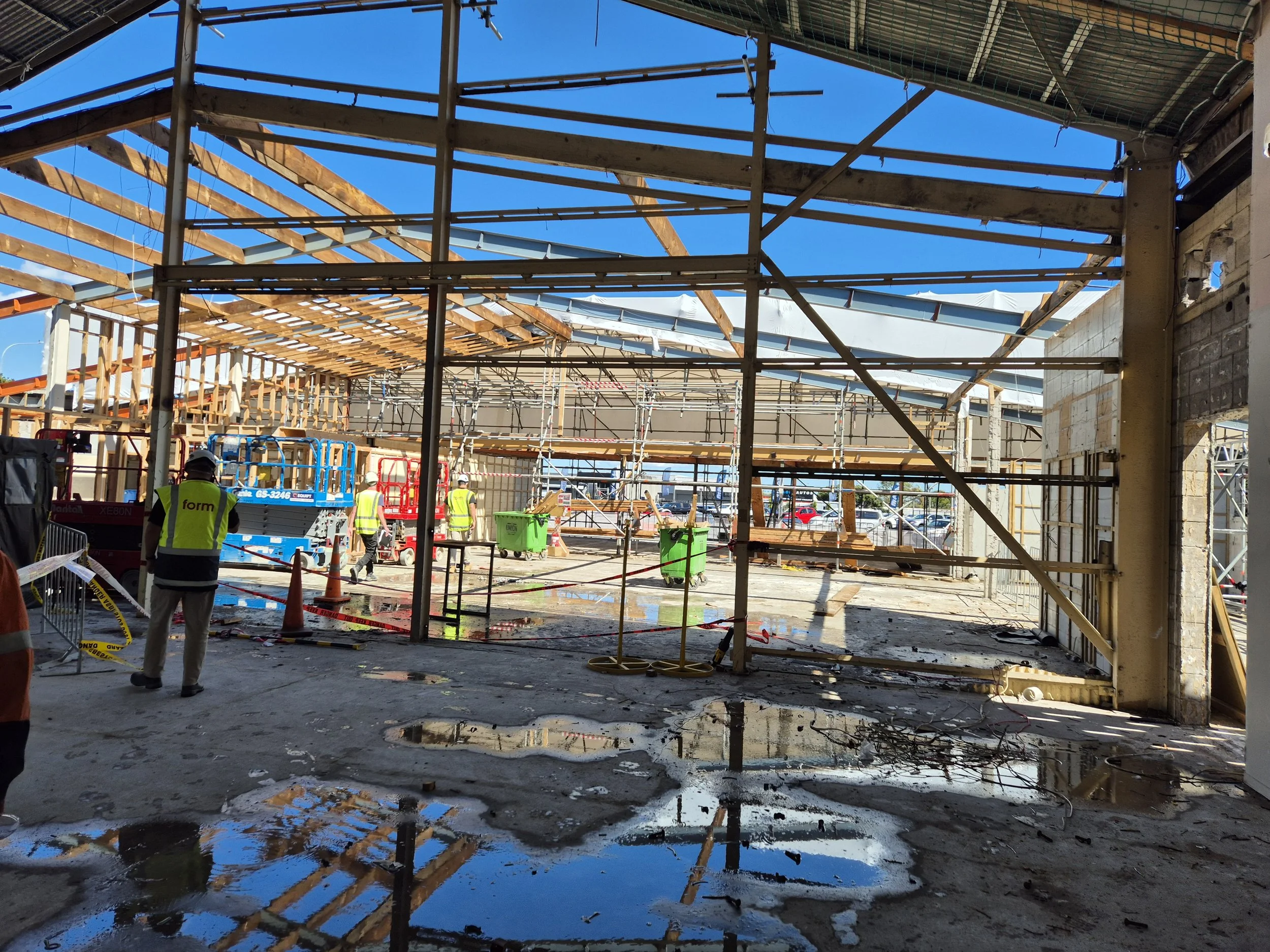
For refurbishment and remediation projects, existing conditions often introduce unknowns. Hidden defects, outdated construction methods, or previous alterations can all affect scope once work begins.
How to avoid it:
Undertake thorough investigations early. Allow contingency where uncertainty remains, and ensure the design responds realistically to existing conditions.
5. Compliance Requirements
Compliance requirements can introduce additional scope, particularly for alterations. Requirements under the Building Act 2004, including provisions such as Section 112, can trigger upgrades to fire egress or accessibility.
How to avoid it:
Understand compliance pathways early. Engage the right consultants to identify requirements before they impact the programme.
6. Incomplete or Uncoordinated Documentation
Where drawings and specifications lack detail, contractors are required to make assumptions or seek clarification.
This can lead to:
Variations during construction
Pricing uncertainty
Delays while issues are resolved
How to avoid it:
Take the time to ensure documentation is clear, coordinated, and aligned across all consultants before going to tender.
7. Procurement and Market Conditions
Material availability, contractor capacity, and market demand can all influence pricing. While these factors are not always controllable, their impact can be managed.
How to avoid it:
Engage with the market early. Consider procurement strategy, timing, and contractor involvement to reduce uncertainty.
8. Programme Pressure
Compressed timelines often lead to decisions being made without full information. This increases the likelihood of rework, variations, and inefficiencies during construction.
How to avoid it:
Allow adequate time for design, coordination, and procurement. A realistic programme supports better decision-making and cost control.
A More Controlled Approach
Projects that stay within budget are better planned. A more controlled approach typically includes early feasibility, clear alignment between scope, budget, and programme, ongoing cost review as design develops, strong coordination between consultants, and well-resolved documentation before construction.
The ability to influence cost is highest at the beginning of a project. Decisions made during feasibility and early design stages set the framework for everything that follows. Once construction begins, flexibility reduces, and changes become more expensive.
This does not eliminate all risk, particularly where unknown conditions are involved, but it allows uncertainty to be understood and managed more effectively. For property owners and developers, this is where the greatest opportunity sits.
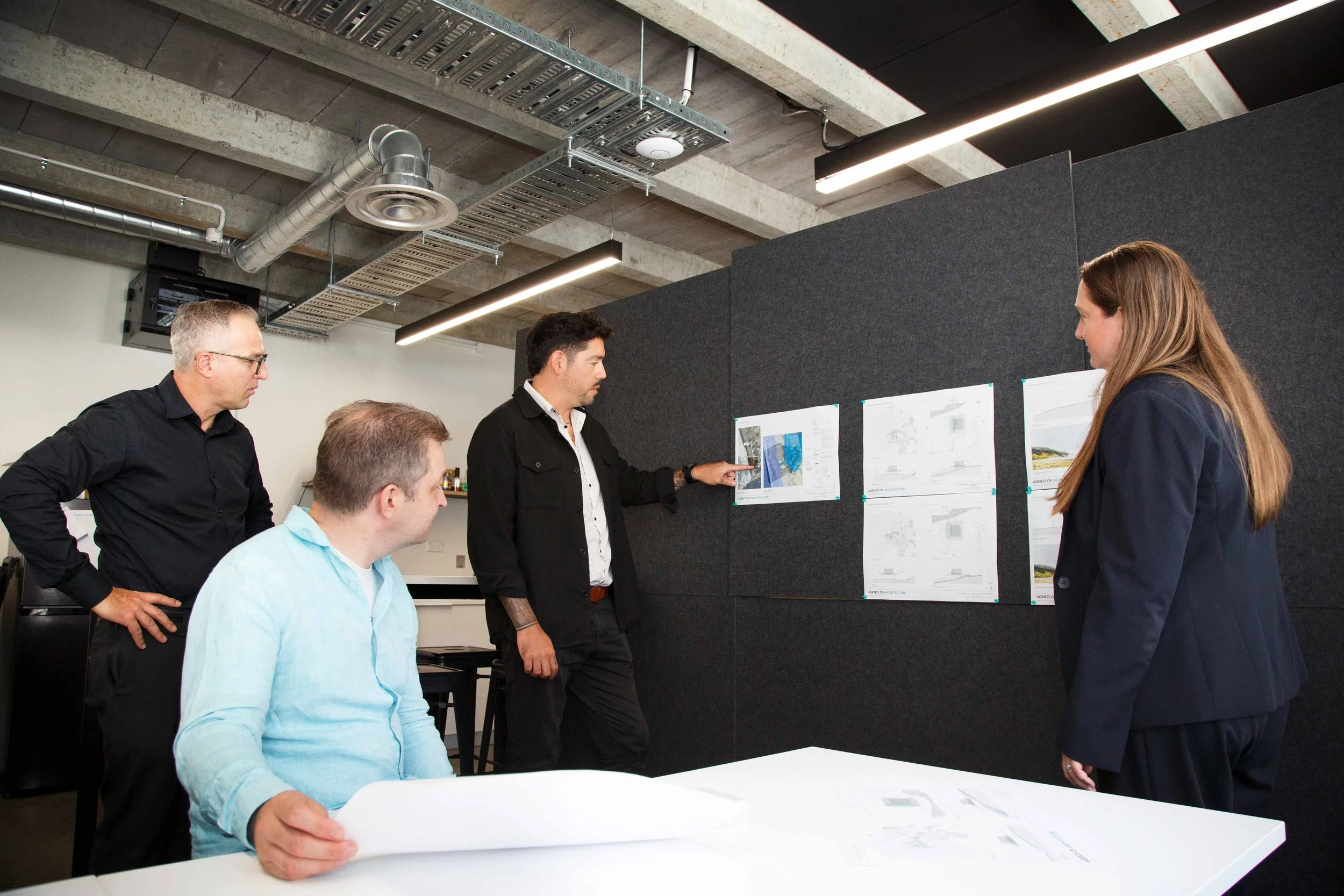
Reduce risk through early, informed decisions.
If you are considering a project and want to take a more proactive approach to managing cost and uncertainty, we welcome a conversation.