
Boundary Activities
When a Small Encroachment Becomes a Big Issue
For many residential projects, some of the most challenging site constraints sit at the boundary. Planning controls such as setbacks and height in relation to boundary are in place to manage access to sunlight, separation between buildings, outlook, and privacy between neighbouring properties.
Even with careful design, there are situations where a proposal may exceed these limits. These small infringements can influence programme, cost, and how a project is received by neighbours.
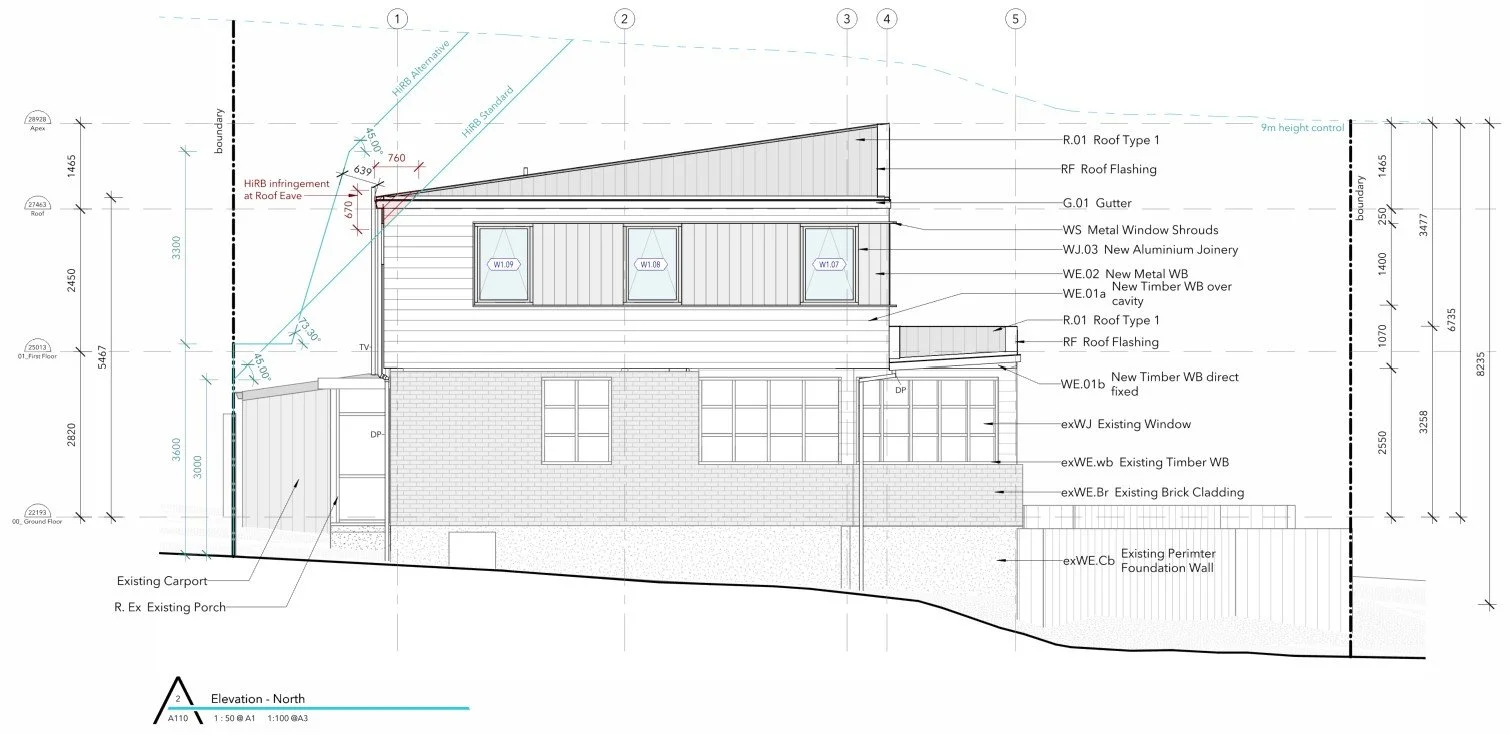
What is a Deemed Permitted Boundary Activity?
A deemed permitted boundary activity (DPBA) allows for a minor infringement of specific boundary-related planning rules identified within the district plan, provided that written approval is obtained from all affected neighbours.
Approval is provided through a formal process, with a signed notice confirming agreement. Once approved, a DPBA removes the need for resource consent, offering a more efficient and cost-effective pathway. The key consideration is the effect on neighbouring properties, and it does not take into effect the scale of the rule breach.
This pathway is commonly used for:
Minor breaches of height in relation to boundary
Small setback encroachments
Architectural elements such as eaves or balconies extending beyond limits
These are often small adjustments that arise during design refinement, particularly on constrained residential sites or existing conditions.
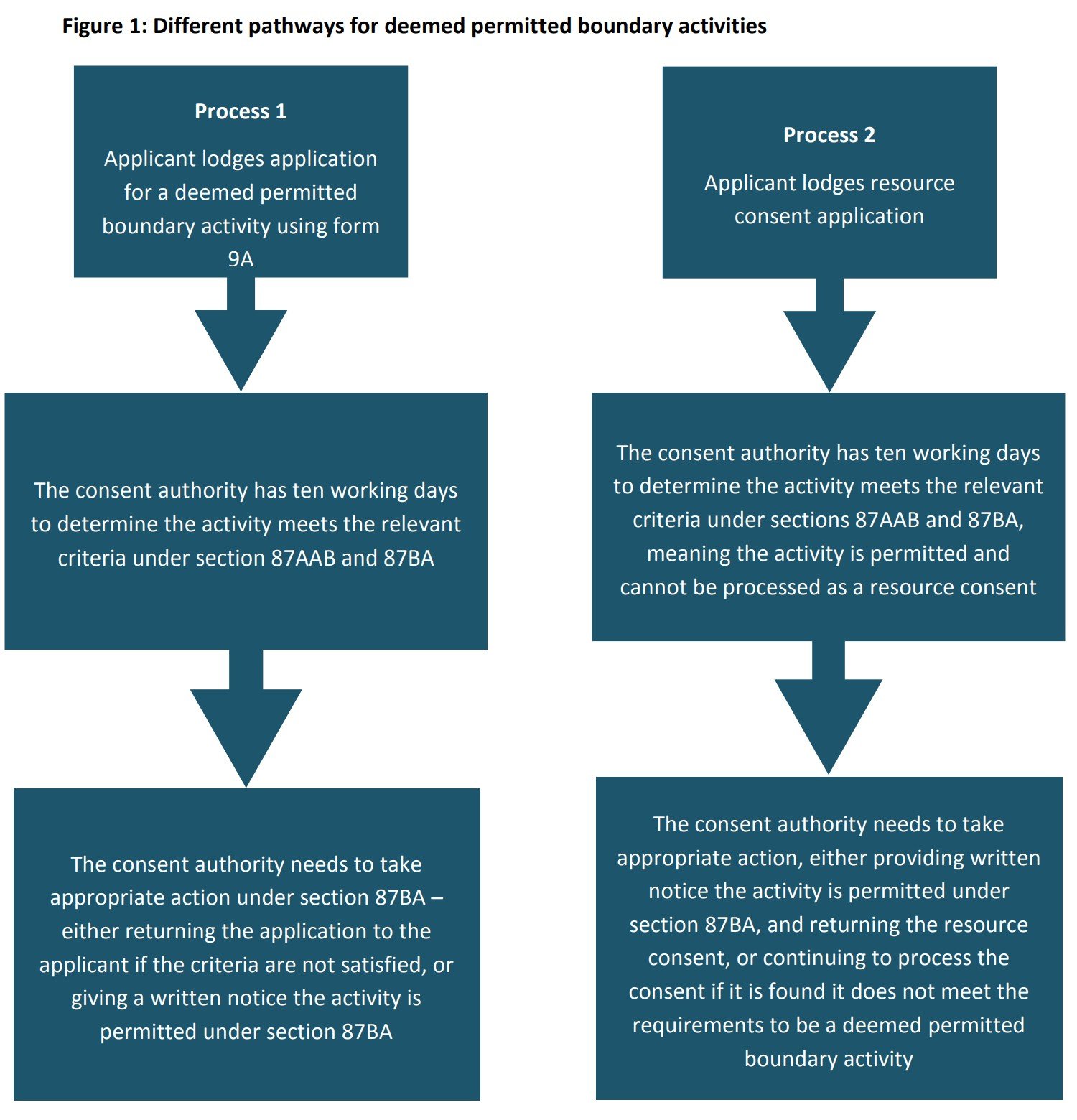
Source: Ministry for the Environment, A technical guide to Deemed Permitted Activities
Shaping the Design Early to Manage Boundary Effects
Consideration of neighbouring properties is a key part of early design, particularly on constrained residential sites where boundary controls have a direct influence on building form. Testing options early allows the design to respond to these constraints in a controlled and deliberate way, rather than reacting to them later in the process.
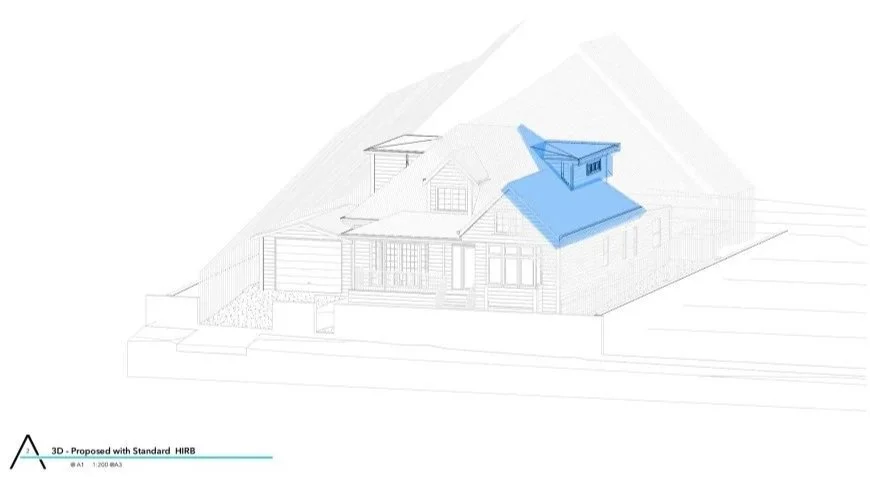
Through this process we can refine the building form and roof geometry to best suit the boundary constraints. Openings can be positioned to reduce overlooking, and height can be distributed more strategically across the site. These are often small, targeted moves, but they can significantly reduce the extent of any infringement and improve how the proposal is received by neighbours.
Taking this approach supports more efficient project progression, with fewer dependencies on neighbour approval and greater certainty as the design develops.
The Neighbour Approval
The effectiveness of a DPBA relies on neighbour approval, which requires collaborative discussions into the process. Even where an infringement is small in scale, neighbours may have concerns around the impact of shading, privacy, or how the development could influence future expectations. In some cases, the formality of signing documentation can also create hesitation.
As a result, the outcome is not always directly linked to the technical scale of the infringement, but how the proposal is understood and perceived.
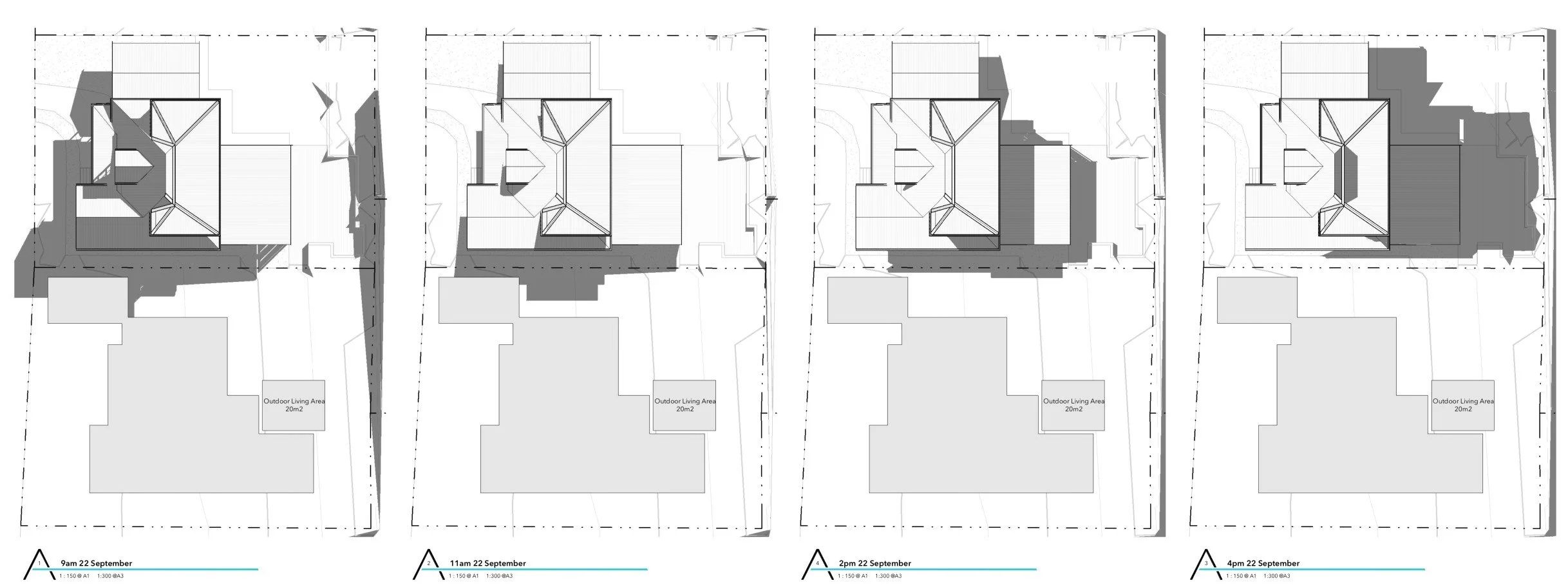
Using Shade Diagrams to Provide Clarity
Clear communication is essential when discussing boundary-related impacts. Shade diagrams are a valuable tool for illustrating how a proposal will affect neighbouring properties, providing a visual representation of shadow movement at key times, often focusing on when shading effects are most prominent. They can demonstrate how shading changes throughout the day, compare the existing situation or a compliant design with the proposed design, and clearly identify the specific difference created by any infringement. Providing this level of clarity supports informed discussions and helps ensure decisions are based on measurable impact. This aligns discussions with how effects are considered under the planning framework.
When Resource Consent is Required
If neighbour approval is not obtained, or the proposal falls outside the scope of a deemed permitted boundary activity, a resource consent application may be required to proceed.
This introduces a more formal assessment process, where the proposal is evaluated against the district plan and its effects on neighbouring properties are considered by council. This typically involves planning input, supporting documentation, and a more detailed level of justification for the design approach.
The process can affect both programme and cost, with additional time required for assessment and potential requests for further information. There is also less certainty in outcome, as approval is subject to council review and, in some cases, may include conditions or require further design changes.
For minor infringements, this pathway is generally considered after opportunities for neighbour agreement or design refinement have been explored, as it provides less control over timing and outcome compared to resolving matters directly with affected neighbours.
A Practical Approach to Boundary Constraints
Navigating boundary constraints is a common part of residential projects and can influence both design outcomes and project certainty. A structured approach supports clearer decision-making and smoother progress.
Identifying potential infringements early allows their effects to be properly understood and addressed. Assessing how a proposal will impact neighbouring properties, particularly in terms of shading, outlook, and privacy, provides a sound basis for design refinement. Clear drawings and tools such as shade diagrams help communicate these effects in a way that supports informed discussions.
Engaging with neighbours in an open and considered manner can assist in building understanding and resolving concerns where they arise. At the same time, understanding the implications of formal approval pathways ensures that decisions are made with a clear view of programme, cost, and risk.
Projects that take this approach are better positioned to manage boundary constraints in a deliberate and coordinated way, supporting more predictable outcomes as the design progresses.
Make informed, future-focused property decisions.
If you are considering a new project, refurbishment, or remediation and want to understand how sustainability can support long-term value, we welcome a conversation.
References
Ministry for the Environment, A technical guide to Deemed Permitted Activities. https://environment.govt.nz/assets/Publications/Files/Final-Exemptions-Technical-Guide.pdf
Auckland Council, Apply for a Deemed Permitted Boundary Activity Notice https://www.aucklandcouncil.govt.nz/en/building-and-consents/resource-consents/apply-deemed-permitted-boundary-activity-notice.html