
Spaces That Shape Feeling
How thoughtful design influences wellbeing, connection, and everyday experience
Architecture is often discussed in terms of buildings, materials, budgets, and compliance. But the spaces we spend time in shape far more than how a building looks or functions. They influence how we feel, how we connect with others, how we focus, rest, collaborate, and experience daily life.
Most people can immediately recognise when a space feels good to be in, even if they cannot explain why.
It might be a home filled with natural light in the morning. A workplace that feels calm and comfortable throughout the day. A shared space that encourages connection. Or simply a building that feels intuitive to move through and pleasant to occupy.
These experiences are rarely accidental. They are often the result of many considered design decisions working together.
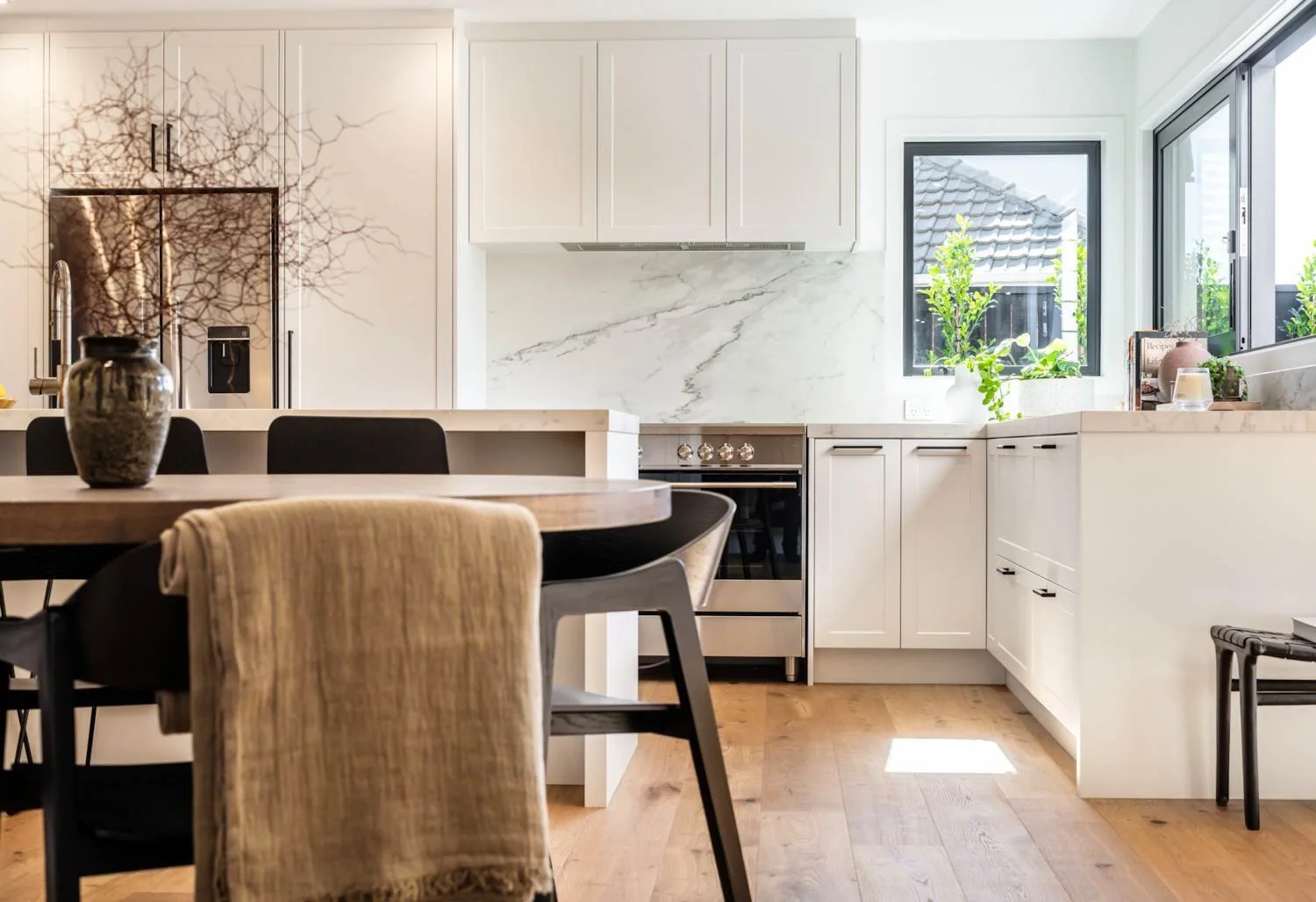
Designing Beyond Compliance
Building regulations establish minimum standards, which are important for safety and performance. But good architecture considers the human experience beyond those minimum requirements.
Thoughtful design looks at how people will actually use and experience a space over time:
How natural light moves through the building
How spaces connect to outdoor environments
Acoustic comfort and privacy
Air quality and ventilation
Spatial flow and circulation
Materials, texture, and warmth
Opportunities for social interaction or quiet retreat
These elements influence wellbeing in ways that are both visible and subtle.
In workplaces, this can affect concentration, collaboration, and productivity. In homes, it can influence comfort, connection, and the rhythm of everyday living.
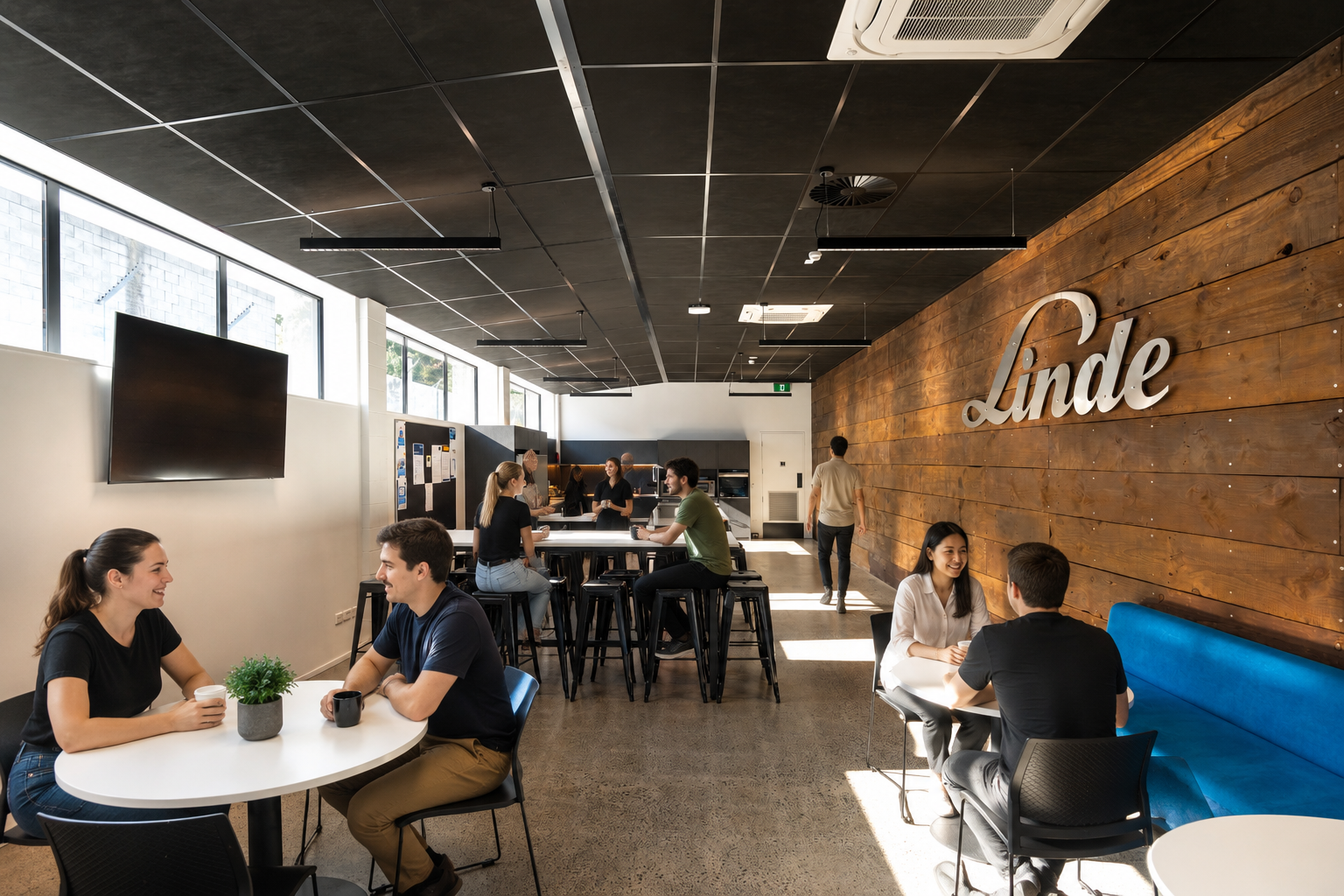
Small Decisions Often Matter Most
Often, it is the smaller design moves that have the greatest impact on how a space feels.
A carefully positioned window can completely change the quality of a room. A widened stair or improved circulation path can make a home feel more connected and functional. Access to natural light and views can transform how people experience a workplace throughout the day.
These decisions are not always dramatic from the outside, but they can significantly improve the daily experience of the people using the building.
At Agents of Architecture, we often find that the most successful projects are not necessarily the largest or most complex. They are the projects where thoughtful decisions are made early and aligned closely with how people want to live, work, and interact.
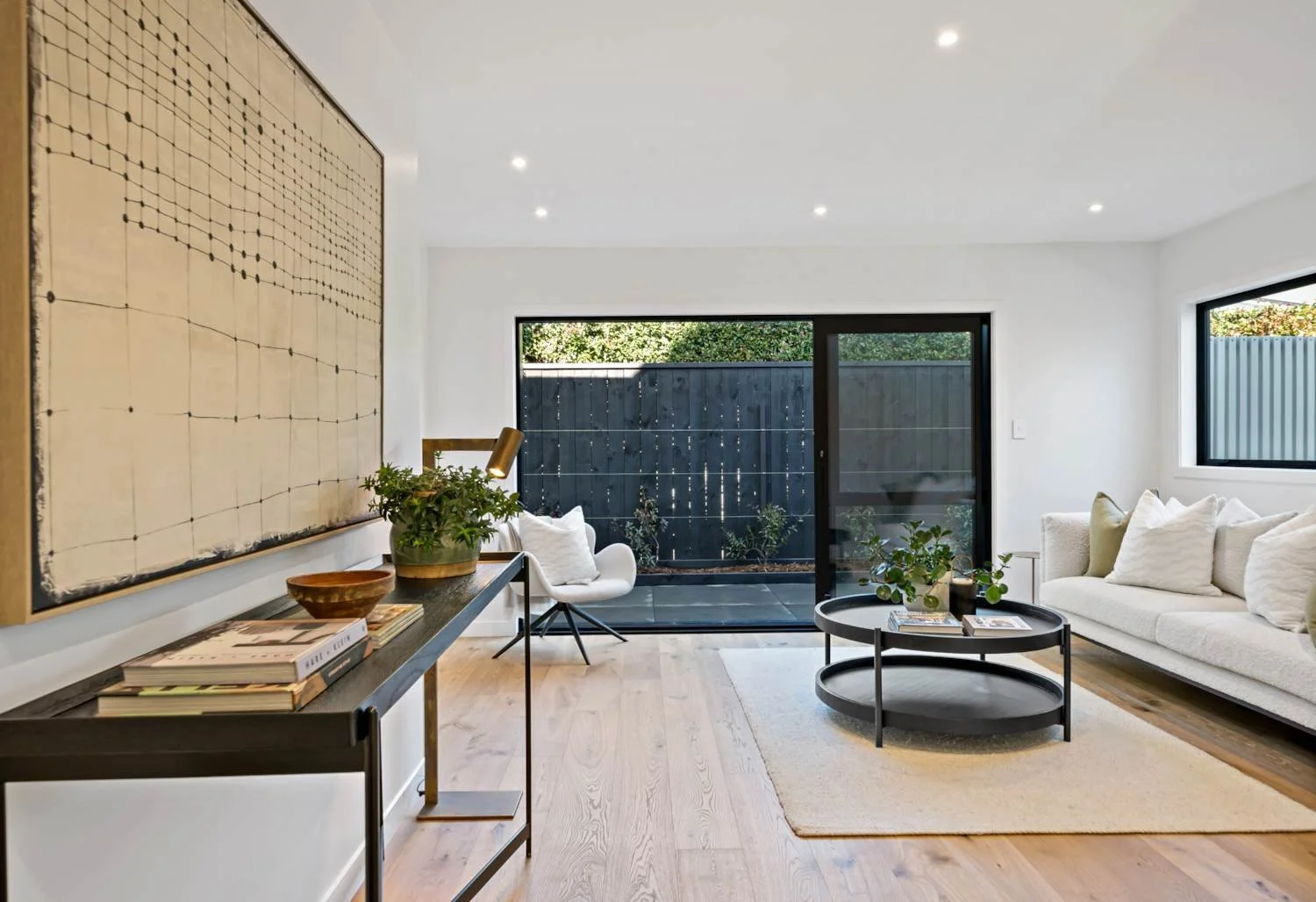
Existing Buildings Still Have Opportunity
Some of the most rewarding transformations come from improving existing buildings.
Older buildings often carry strong structure, character, or location advantages, but may no longer support modern ways of living or working. Through refurbishment, remediation, or reconfiguration, these spaces can be adapted to improve comfort, functionality, and long-term performance while retaining what already gives them value.
Sometimes relatively modest interventions can make a significant difference:
Introducing more natural light
Improving connections between spaces
Enhancing indoor-outdoor flow
Upgrading materials and building performance
Reworking circulation and accessibility
These changes can improve not only the building itself, but also the experience of the people using it every day.
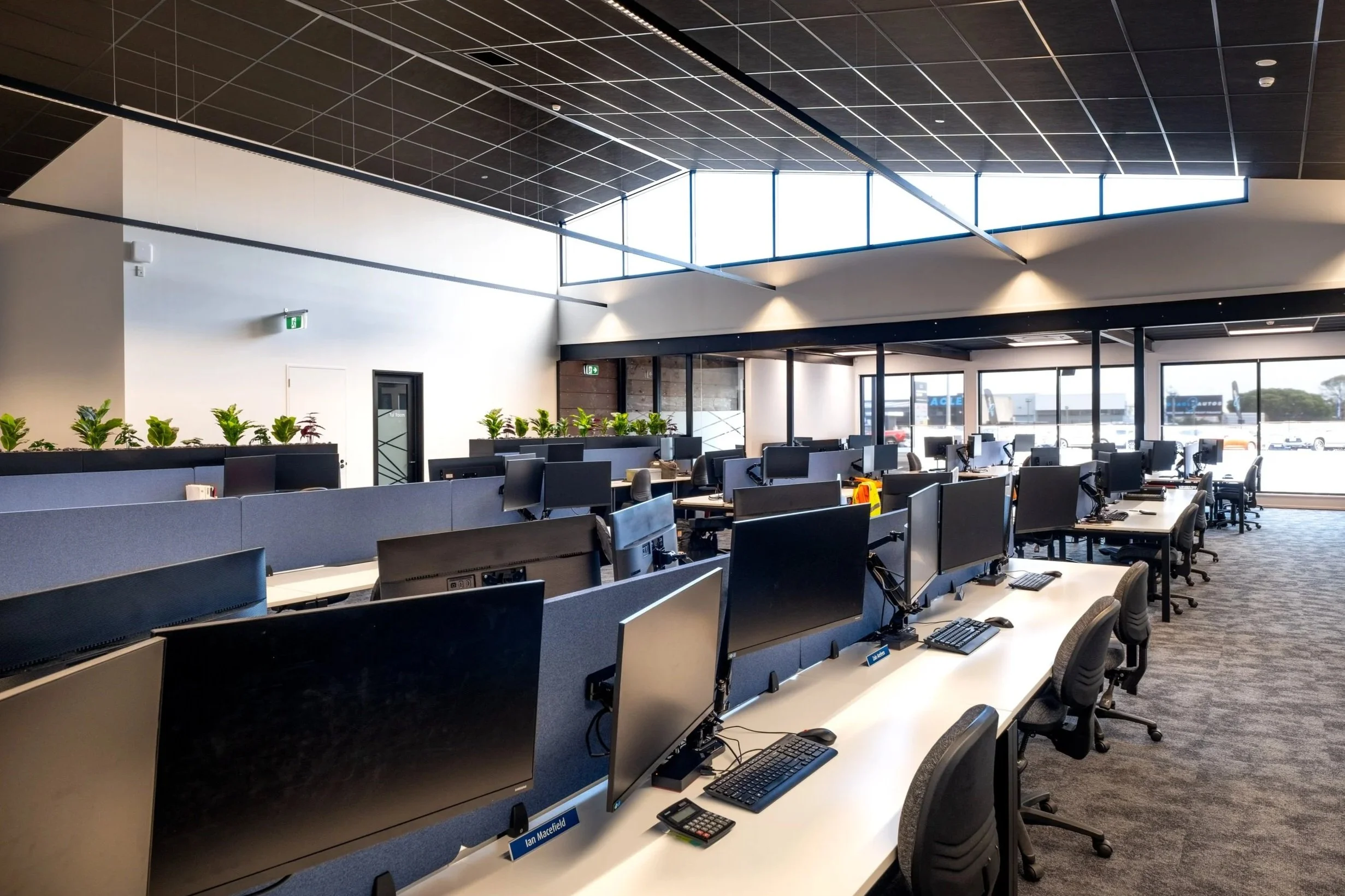
Architecture and Wellbeing
The relationship between the built environment and wellbeing is becoming increasingly recognised across residential, commercial, education, and public projects.
People are spending a significant portion of their lives indoors. The quality of those environments matters.
Design has the ability to support:
Comfort and health
Mental wellbeing
Productivity and focus
Social connection
A sense of belonging and identity
This is one reason why sustainability and wellbeing are often closely linked. Buildings that are designed thoughtfully for people also tend to perform better over time, supporting both occupant outcomes and long-term value.
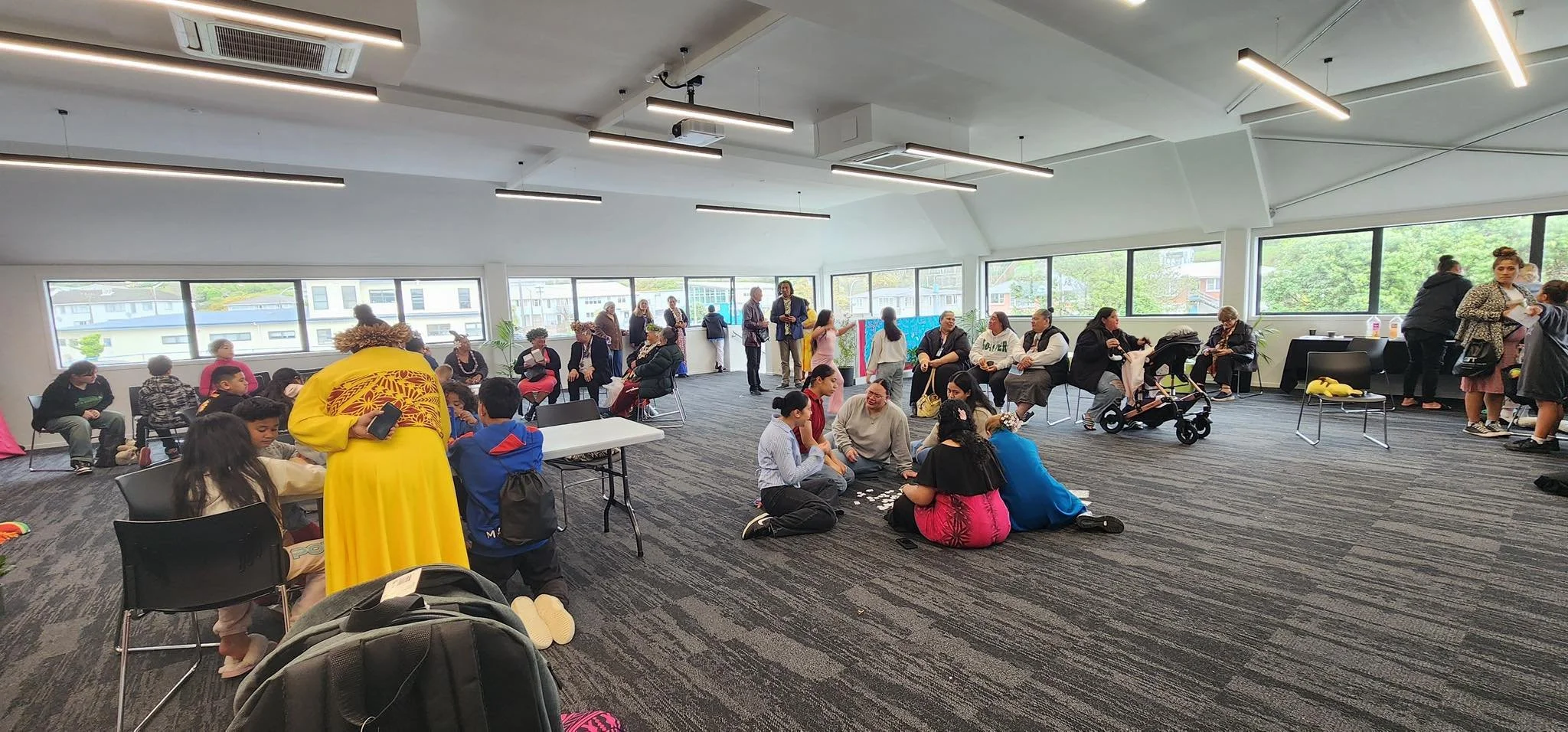
A More Thoughtful Approach to Design
Good design is rarely about a single feature or statement moment. It is usually the result of many coordinated decisions that together create a better overall experience.
When projects begin with a clear understanding of how people will use and experience a space, the outcomes are often more functional, resilient, and enjoyable over the long term.
At Agents of Architecture, we believe purposeful design has the power to make a positive difference to people and the environment. Whether we are working on a home, workplace, remediation project, or commercial development, our focus remains the same: creating spaces that improve the way people experience everyday life.
Talk to us
If you are considering a new project, refurbishment, or workplace upgrade and want to create spaces that better support the people who use them, we welcome a conversation.