
Enjoying the Process
Building Should Be About More Than the Finished Result
Ask someone who has recently built or renovated how it went, and the answer is not always about the finished home.
You may hear about the decisions, the budget, the delays, the unexpected discoveries or the moments when it all became overwhelming. Sometimes, even when people are happy with the final result, their strongest memory is simply how stressful it was getting there.
Building and renovating are significant undertakings. There will inevitably be challenging moments. Decisions need to be made, budgets need to be managed, existing buildings can reveal surprises, and construction rarely unfolds without something requiring attention.
But challenging moments should not define the entire experience.
A well-managed architectural process should give you confidence in what is happening, what comes next and who is looking after the details. And amongst the decisions and challenges, there should also be moments of excitement: seeing ideas develop, watching spaces take shape and eventually experiencing a building that was once only a conversation or a sketch.
The Process Is Part of the Project
When people begin thinking about a new home, renovation or building project, it is natural to focus on the outcome.
What will it look like? How will it feel? How much will it cost? When can we move in?
But reaching that outcome can take months or, for larger and more complex projects, years. The design and construction process becomes a meaningful part of the overall experience.
That makes the way a project is managed just as important as the design itself.
A good process provides structure around what can otherwise feel complicated. It breaks a significant undertaking into manageable stages, establishes when decisions need to be made and gives the client the information they need to make those decisions with confidence.
Rather than constantly wondering what happens next, there should be a clear pathway forward.
Knowing What to Expect
Uncertainty is often one of the biggest sources of stress in a building project.
Questions naturally arise throughout the process. What happens after concept design? When do we need an engineer? What will Council require? When do we talk to a builder? Are we still within budget? Who is responsible for resolving an issue during construction?
Clear communication and defined project stages can make an enormous difference.
From early feasibility and concept design through developed design, consenting, procurement and construction, each stage has a purpose. Understanding that pathway allows decisions to be made at the right time and reduces the feeling that everything needs to be resolved at once.
It also means potential risks can be identified earlier, when there are often more options available to address them.

You Shouldn’t Have to Manage Everything Yourself
One of the reasons building projects can become overwhelming is the number of people, decisions and pieces of information involved.
Architects, engineers, planners, builders, suppliers, Council, specialist consultants and other parties may all contribute at different stages. Each brings their own area of expertise, but someone still needs to understand how those pieces come together.
For the client, that coordination should not feel like a second job.
An architect can provide continuity through the project: helping establish the brief, coordinating consultants, developing the design, preparing consent and construction information, responding to questions and remaining involved as the building takes shape.
That continuity matters. It allows someone who understands the original design intent and the decisions behind it to help navigate the inevitable questions that arise along the way.
Decisions Without the Overwhelm
Building involves a lot of decisions.
Some are exciting: materials, spaces, finishes and the details that make a building feel personal. Others are highly technical or have implications for cost, programme, compliance and performance.
The aim should not be to eliminate decisions. It should be to make them manageable.
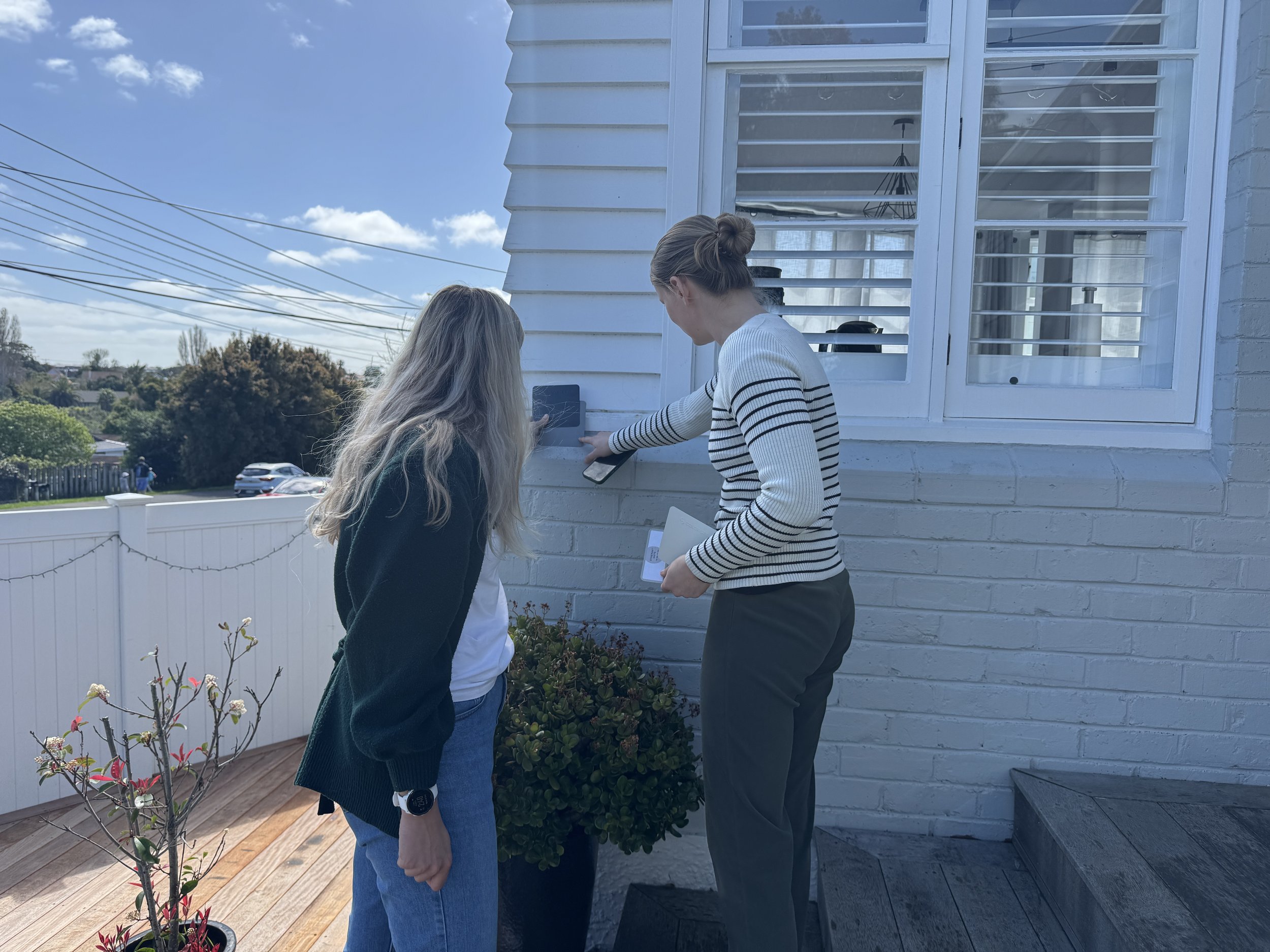
Good design leadership means presenting information at the right time, explaining the implications of different options and helping clients focus on the decisions that genuinely require their input.
Clients should remain involved in their project without feeling that they need to become an expert in architecture, construction or the Building Code to get through it.
When Things Don’t Go Exactly to Plan
No amount of planning can remove every challenge from a building project.
Existing conditions may be different from what was expected. A product may become unavailable. A consent issue may need to be resolved. Something discovered during construction may require the design to adapt.
These moments can be stressful, but they do not necessarily mean the project has gone wrong.
What matters is how they are handled.
Clear communication, experienced advice and collaborative problem-solving can turn an unexpected issue into a decision that can be understood and worked through. Clients should know what has happened, what the implications are and what options are available.
There is a significant difference between encountering a problem and feeling alone in having to solve it.
Making Room for the Good Parts
Amongst all the practicalities of a building project, it is easy to forget that creating or transforming a space can be genuinely exciting.
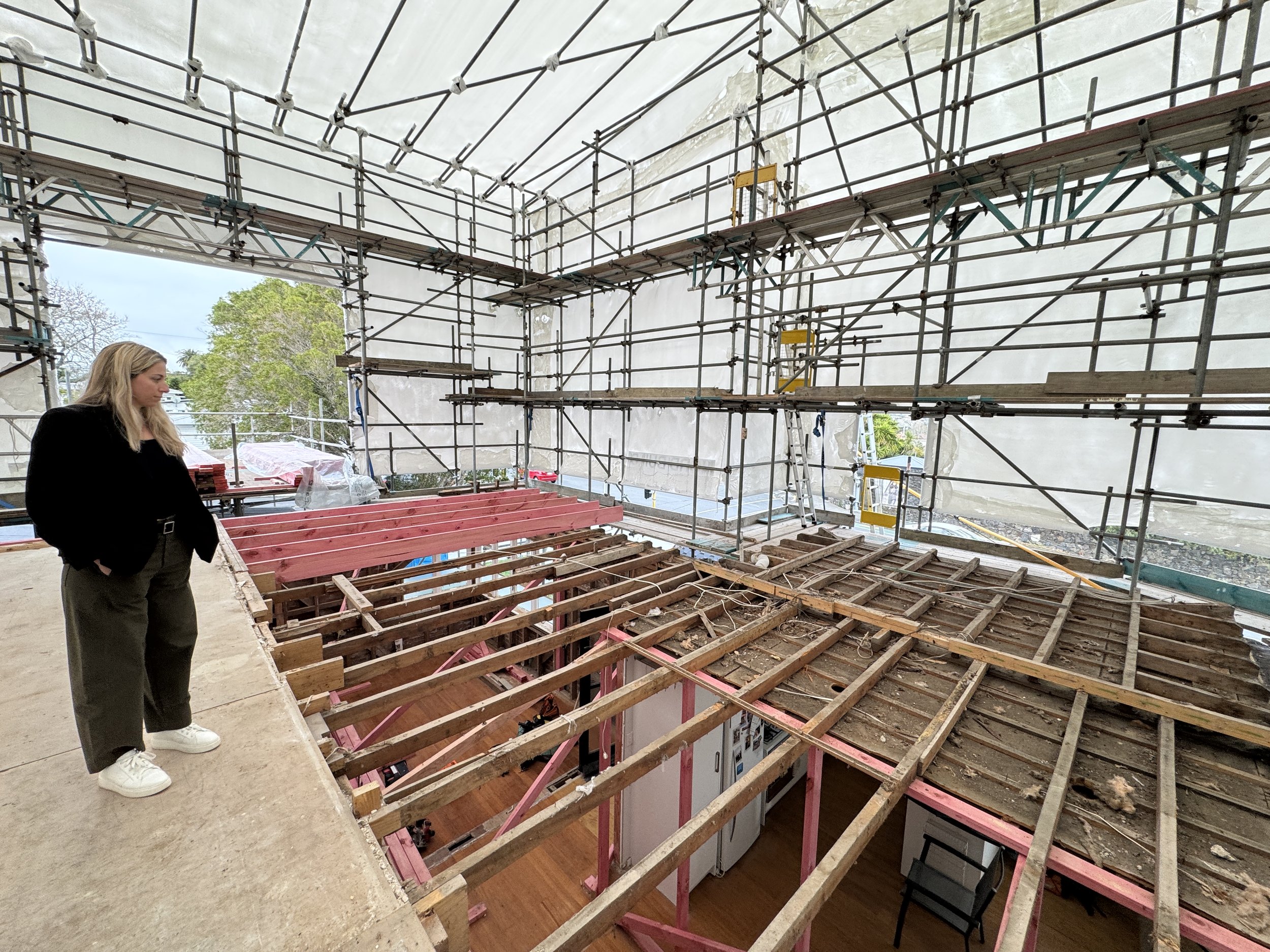
Seeing the first design concepts. Understanding how an idea could work on your site. Choosing materials. Walking through framed spaces for the first time. Seeing natural light enter a room as imagined. Watching the building gradually become yours.
These are significant moments.
A good process creates enough clarity and confidence for clients to experience them rather than having every milestone overshadowed by the next problem or decision.
The goal is not a completely stress-free project. That would be an unrealistic promise.
The goal is a process where challenges are managed, decisions feel informed, communication remains clear and there is still room to enjoy seeing something meaningful take shape.
A Better Building Experience
At Agents of Architecture, we believe successful architecture is about more than handing over a finished building.
It is also about how our clients experience the process of getting there.
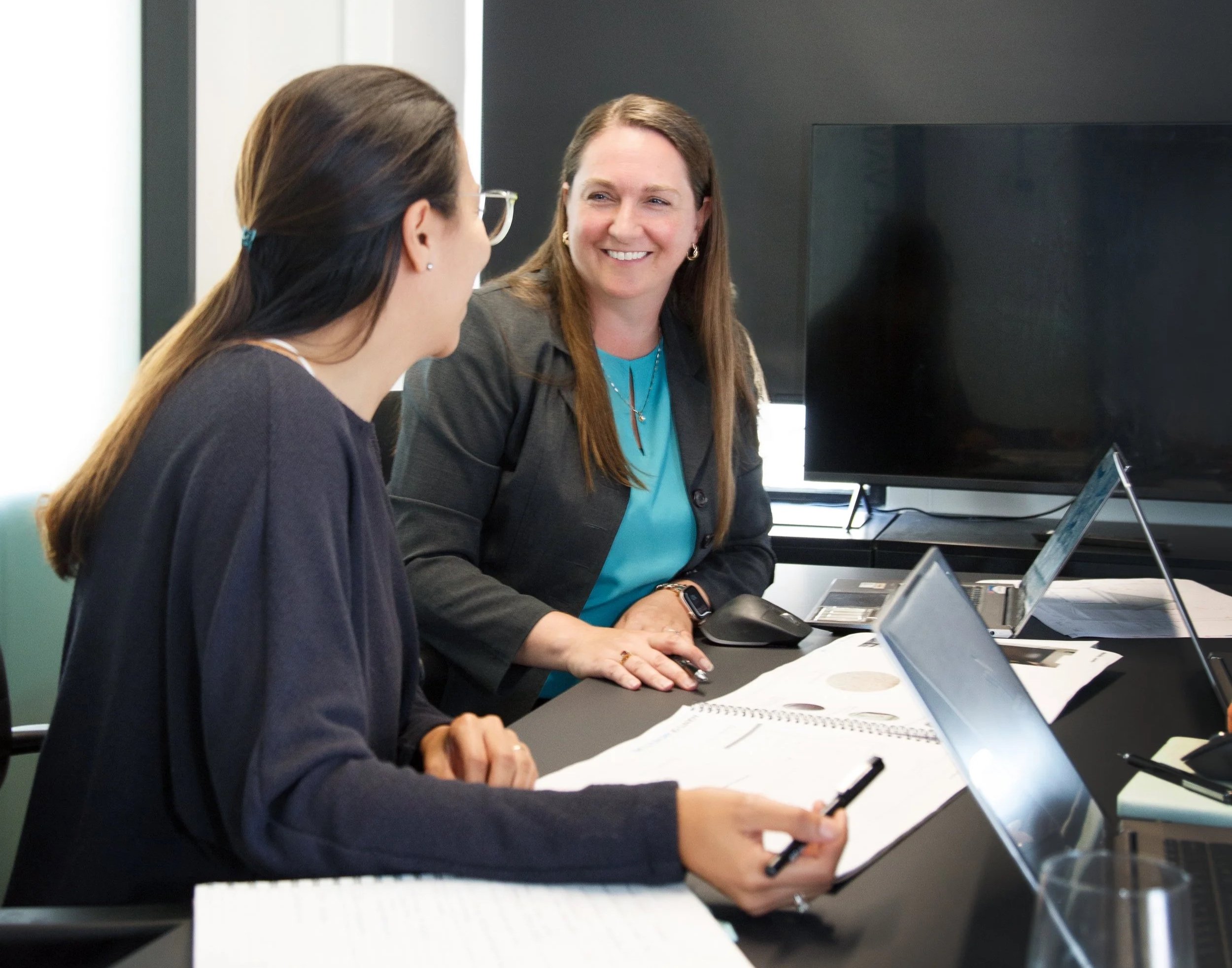
From the earliest feasibility conversations through design, consenting and construction, our role is to provide guidance, coordination and continuity. We work collaboratively with our clients, consultants and contractors so that decisions are understood, challenges are addressed and the project keeps moving forward.
Because when you have invested so much into creating a home or building, you should be able to look back with more than satisfaction in the finished result.
You should be able to say you enjoyed creating it too.