
Major remediation works can be one of the biggest financial decisions a Body Corporate will face. But what if the conversation shifted from what the work will cost to the value it could create?
For apartment owners, the prospect of significant building works can be daunting. Unexpected costs, special levies, disruption to daily life and uncertainty about the outcome can make remediation feel like a burden rather than an opportunity.
These concerns are understandable. Major works require considerable financial commitment, often from owners with different circumstances, priorities and expectations.
However, when a building requires substantial remediation, there is an opportunity to consider more than simply repairing what has failed. With the right approach, the investment can improve the building's performance, extend its useful life, enhance the experience of living there, and protect its long-term value.
The challenge is helping everyone involved see beyond the immediate cost.
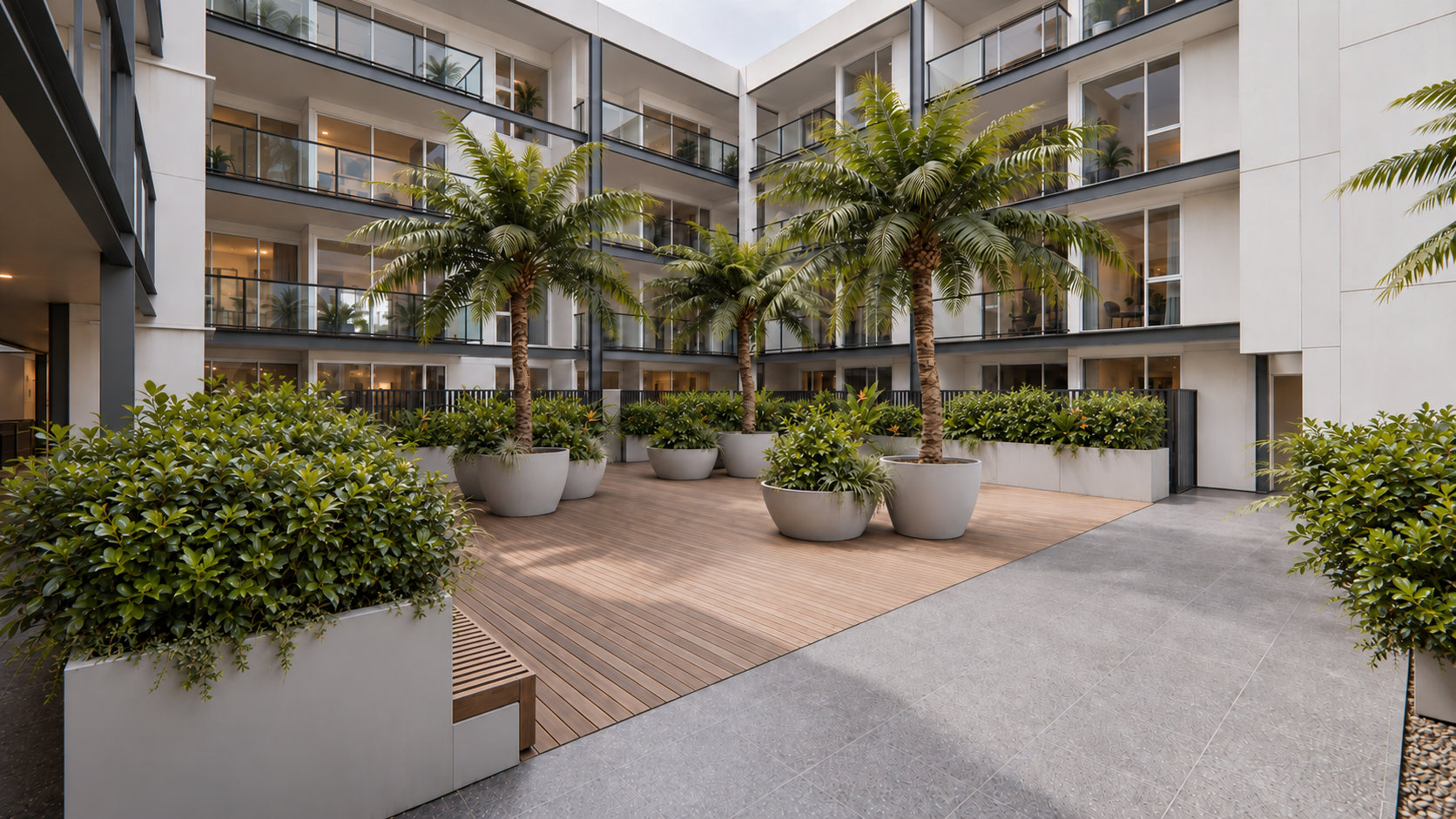
From a Cost Mindset to an Investment Mindset
When faced with major works, the natural response is often to ask, "How can we do this for the lowest cost?" While affordability is an important consideration, focusing solely on the lowest price can lead to decisions that prioritise immediate savings over long-term outcomes.
An investment mindset asks a different question: "What value are we getting for the money we are spending?" This doesn't mean spending more for the sake of it. It means understanding the options, considering their long-term implications and making informed decisions about where investment will deliver meaningful benefits.
For example, if a building's façade needs replacing, there may be an opportunity to improve thermal performance, reduce future maintenance requirements, upgrade windows or refresh the building's appearance.
Some improvements may involve additional upfront costs, while others can be incorporated efficiently because the building is already undergoing significant work.
The aim is to make the investment work harder, rather than simply returning the building to its previous condition.
Understanding the Return on Investment
The return on apartment remediation isn't always measured in dollars alone.
There are financial benefits to consider, such as protecting property values, reducing future maintenance liabilities, improving durability and potentially lowering ongoing operating costs. But there is also an emotional return.
For owners, this may mean greater confidence in the building they own, improved comfort, fewer concerns about recurring defects and renewed pride in where they live.
For residents, it can mean a better everyday experience through warmer, drier, quieter or more functional living environments. These benefits can be harder to quantify, but they are no less important.
A successful remediation project should consider both the financial investment and the quality of life it can deliver.
Creating Value, Not Just Replacing What Was There
Major remediation works often involve substantial intervention in a building's existing fabric. Façades may need to be removed, windows replaced, balconies reconstructed or roofing systems upgraded.
When this level of work is already necessary, it makes sense to explore opportunities for improvement.
Could the replacement façade offer better thermal performance? Could outdated materials be replaced with more durable, lower-maintenance alternatives? Could the works improve weather protection, accessibility or the appearance of the building?
Not every improvement will be appropriate or affordable. Each needs to be assessed against its cost, benefits, technical feasibility and the priorities of the owners.
The important thing is to explore these opportunities early, while there is still flexibility to influence the design and project budget.
Remediation should resolve the underlying issues, but thoughtful design can also create lasting value beyond the repairs themselves.
Balancing the Needs of Different Owners
One of the complexities of Body Corporate projects is that the people funding the works don't always experience the benefits in the same way.
An owner-occupier may place greater value on comfort, appearance and reduced disruption in the future. An investor may be more focused on rental appeal, property value and financial return. Others may be concerned about their ability to fund the works at all.
There can also be differences in how owners perceive the benefits of particular improvements, especially when works affect some apartments more directly than others.
While costs are generally allocated in accordance with the Body Corporate's legal obligations, it is important that owners understand how decisions are being made and how the proposed works benefit the building as a whole.
This requires a transparent process that explains the options, the reasons behind recommendations and the anticipated outcomes.
Not every owner will agree with every decision. However, when people understand the rationale and have had an opportunity to contribute, they are more likely to recognise the value of the collective investment.
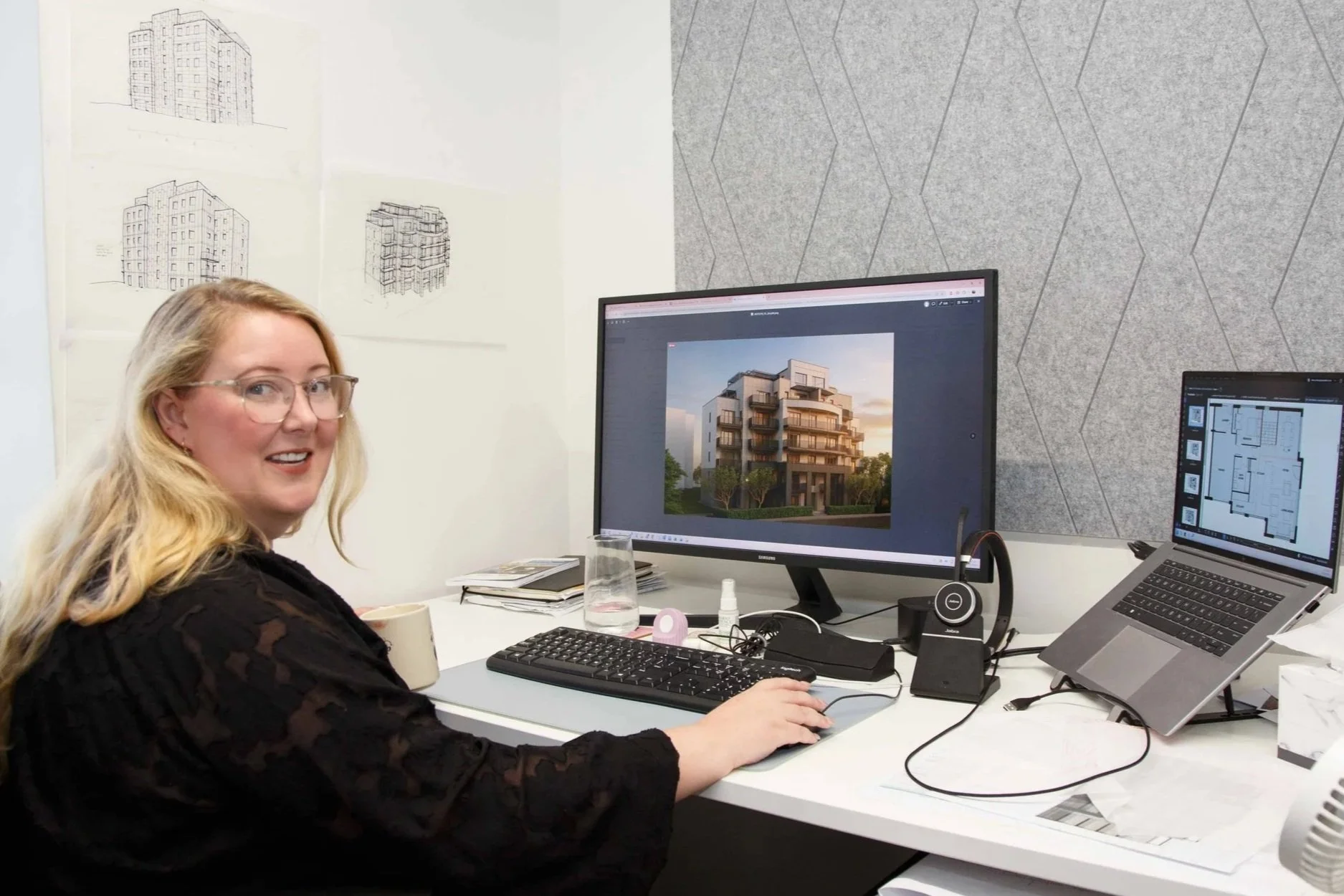
Project Planning
A successful remediation project requires more than a compliant design.
Before committing to major works, Body Corporates need a clear understanding of the likely process, programme, and financial implications.
This includes considering how the project will be funded, whether through existing reserves, special levies, borrowing or a combination of funding sources, subject to the Body Corporate's circumstances and applicable requirements.
The timing of funding decisions is equally important. Design, consenting, procurement and construction each require financial commitments, and delays in securing funding or approvals can affect the overall programme and cost.
These matters sit beyond the architect's core scope, but they are fundamental to the success of the project.
Engaging an experienced client-side project manager can provide valuable support to the Body Corporate and committee. A project manager can help establish a realistic programme, coordinate consultants, manage budgets and procurement, identify risks and guide the project through its various stages.
Importantly, they can also help the committee understand what decisions are required, when they need to be made and the implications of delaying them.
Having the right professional team in place early allows the Body Corporate to make decisions with greater confidence and avoid unnecessary complications as the project progresses.
Communication Can Make or Break a Project
Even a well-designed and carefully planned remediation project can become difficult when communication breaks down.
Major works affect people's homes, finances and daily routines. When owners don't understand what is happening, why decisions are being made or what comes next, uncertainty can quickly turn into frustration and mistrust.
Clear, consistent communication is therefore one of the most important aspects of a successful remediation project.
This starts within the committee, where members need a shared understanding of the project objectives, priorities, decisions, and responsibilities.
It extends to the Body Corporate manager, project manager and consultant team, ensuring information is coordinated and communicated consistently.
And critically, it includes the wider group of owners.
Owners should be introduced to the available options early, including the preferred approach and the reasons behind it. Sharing the benefits, limitations, likely costs and implications of each option helps people understand how recommendations have been reached.
Waiting until a preferred solution is fully developed before engaging owners can create unnecessary resistance, particularly if they feel decisions have already been made without their input.
Communication also needs to continue throughout the project. Regular updates on progress, milestones, changes, risks and upcoming decisions help maintain trust and manage expectations.
Good communication won't eliminate difficult conversations, but it can make them more constructive.
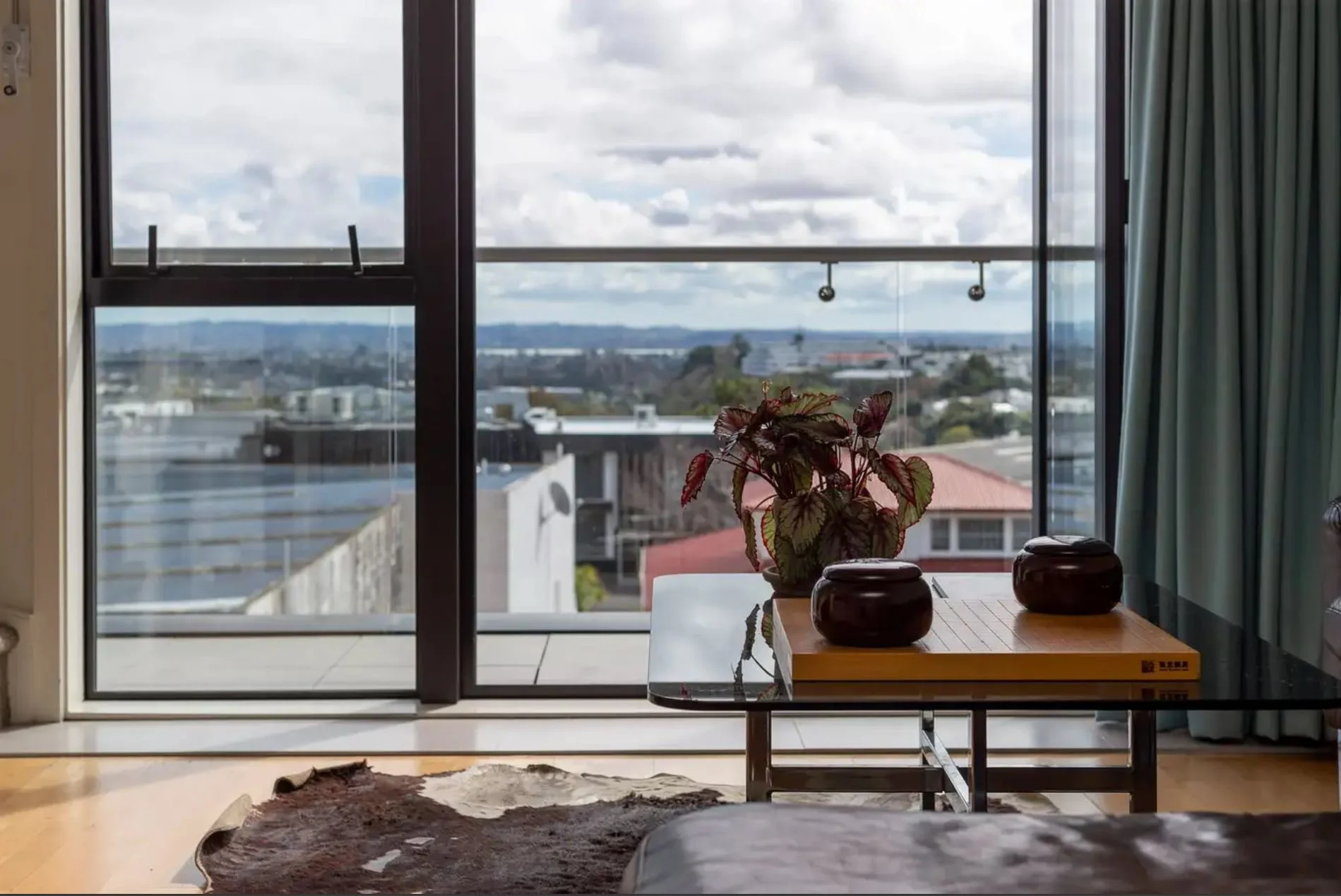
A Better Outcome for the Whole Building
Apartment remediation will rarely be an easy undertaking. The costs can be substantial, the decisions complex and the process disruptive.
But approaching major works purely as an expense will risk overlooking the opportunity they present.
By considering the long-term return on investment, exploring improvements alongside necessary repairs, understanding the different needs of owners and establishing a well-managed, transparent process, Body Corporates can make more confident decisions.
The goal isn't simply to spend less. It's to achieve the best possible outcome from the investment being made.
At Agents of Architecture, we believe purposeful design is about making informed decisions that deliver lasting value. For apartment remediation, that means resolving the building's problems while identifying opportunities to improve performance, enhance the experience of owners and residents, and create a more resilient building for the future.
Considering major works for your apartment building? We can help your Body Corporate understand the architectural opportunities, assess design options and make informed decisions about achieving long-term value from your investment.