
Granny Flats Without Consent
Where the Risks Are for Property Owners
Recent changes have removed consent requirements for homeowners and developers to deliver small, stand-alone dwellings on residential sites when specific exemption conditions are met. Commonly referred to as granny flats, these buildings can now follow a more streamlined approval pathway. While this can reduce time and cost, it also places greater responsibility on owners and their project teams to ensure compliance, performance, and long-term value are achieved.
Where building consent is exempt, the risk does not disappear, it shifts. Property owners carry the risk if the design, documentation, or construction is not resolved, making informed planning and architectural oversight essential from the outset.
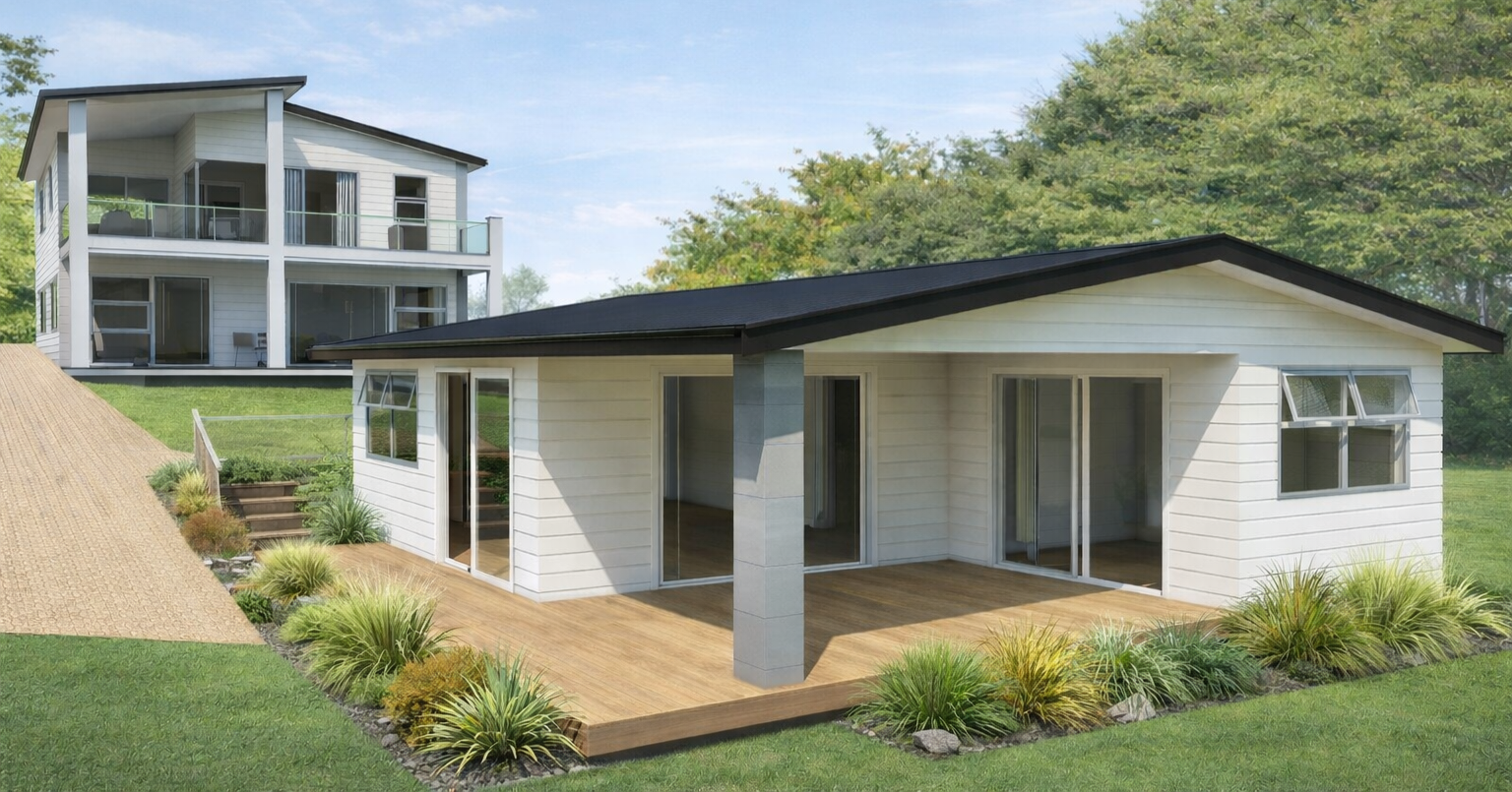
A Simpler Pathway, Not a Simpler Project
Removing the need for a building consent changes the approval process, but it does not reduce the obligation to meet Building Code requirements. Structural performance, fire safety, durability, moisture management, and energy efficiency must still be resolved and delivered correctly.
The exemption under Schedule 1A of the Building Act 2004 identifies small stand-alone dwellings as building work for which a building consent is not required, provided specific conditions are met. These include limits on size and form, such as a maximum floor area of 70 m², a single-storey configuration, and construction carried out or supervised by a Licensed Building Practitioner, while still requiring full compliance with the Building Code.
Although a building consent may not be required, planning rules still apply. The National Environmental Standards for Detached Minor Residential Units establish a nationwide framework that allows one detached minor residential unit per site to proceed without a resource consent across residential, rural, mixed-use, and Māori-purpose zones, provided the applicable standards and site conditions are met. Understanding the planning context early remains critical to avoiding assumptions that can affect feasibility, timing, or cost.
Why Early Planning Matters More Than Ever
Many properties appear suitable for a small stand-alone dwelling at first glance, but site-specific constraints often determine what can actually be achieved. Access, servicing capacity, topography, existing development, overlays, and natural hazards can all influence whether a project qualifies for the exemption pathway and how it will perform over time.
Without early planning, owners risk:
Designing a dwelling that unintentionally falls outside the exemption criteria
Underestimating servicing or infrastructure upgrades required to support development
Creating future issues for insurance, maintenance, or resale
Addressing these considerations early allows the design to respond to the realities of the site and its planning context, rather than forcing a solution that may compromise compliance, durability, or long-term value.
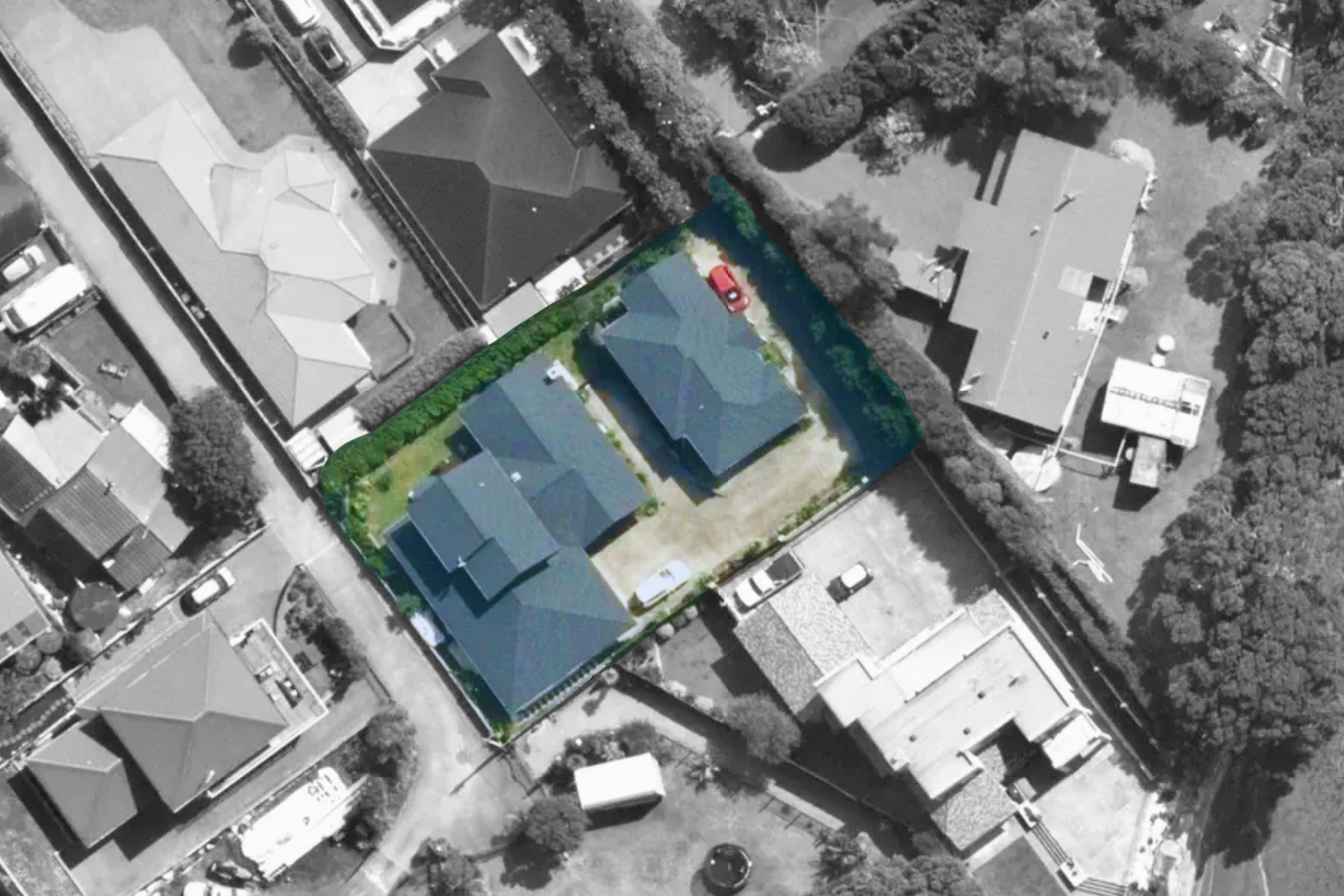
Design Quality Still Counts
Regardless of scale, a detached dwelling has a lasting impact on a site and its surroundings. Good design ensures the building is functional, comfortable, and durable, while responding appropriately to neighbours, boundaries, and environmental conditions.
Well-considered design addresses how the dwelling sits within the site, achieves daylight and privacy, and delivers amenity within a compact footprint. Material selection and detailing also play a key role in long-term performance, particularly where no council oversight places greater reliance on design quality and construction accuracy.
Although a building consent may not be required, compliance with the Building Code remains mandatory. Clear, coordinated documentation supports Licensed Building Professionals during construction and provides confidence that the completed dwelling meets regulatory requirements.
A consent-exempt pathway does not reduce the importance of good design and quality documentation.
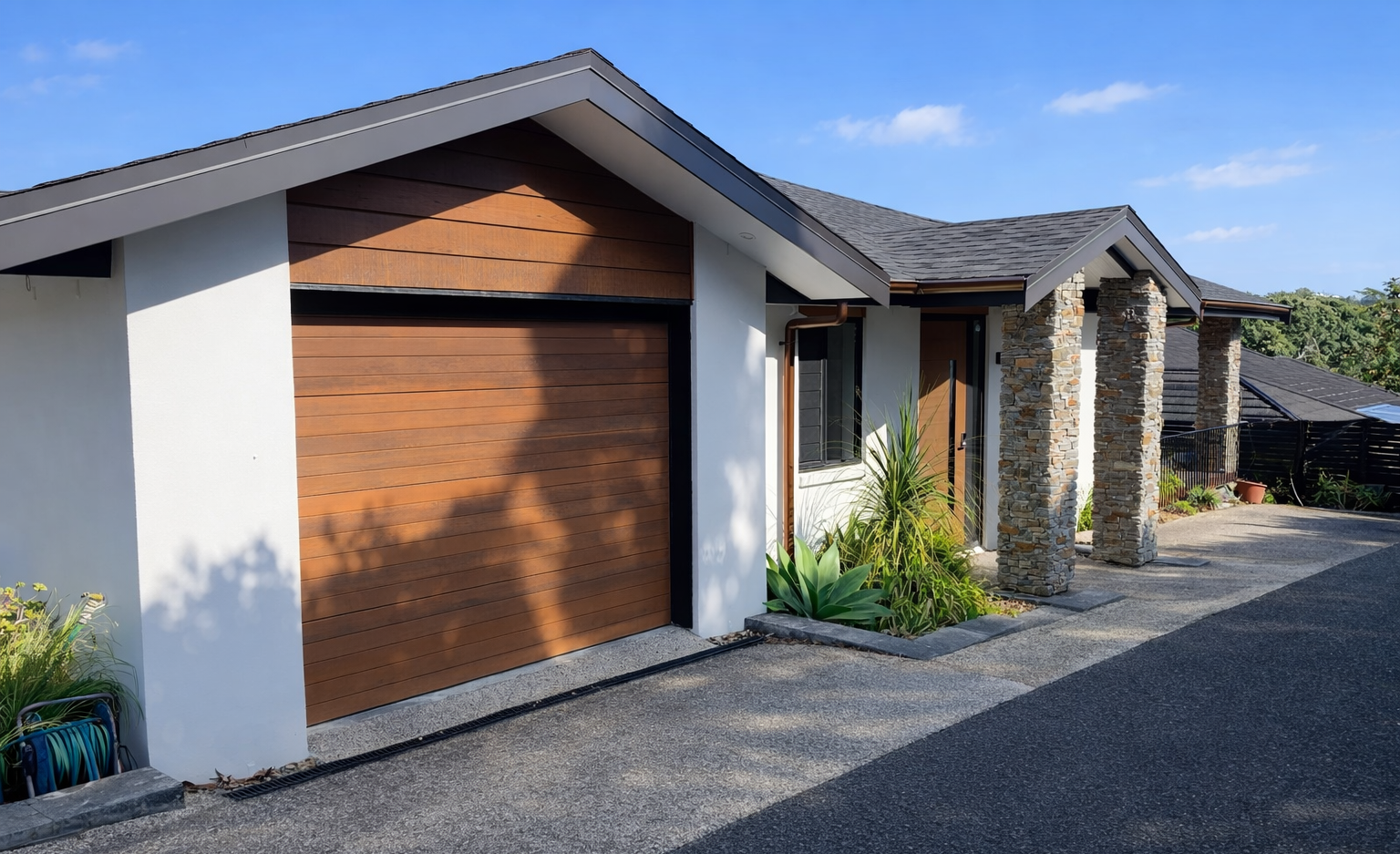
A Considered Approach Leads to Better Outcomes
The exemption pathway offers genuine opportunities to deliver flexible, well-designed housing on residential sites. The most successful projects treat the exemption as a streamlined process rather than a shortcut, investing early in good advice, thoughtful design, and coordinated delivery.
At Agents of Architecture, we support property owners through early feasibility, design, and delivery of small stand-alone dwellings, helping manage risk, clarify compliance, and achieve well-considered outcomes.
Further Guidance
For owners wanting to review the formal exemption criteria and technical guidance, the government’s published resources can be found here: Granny Flats Exemption Guidance and Resources
Please contact us if you have questions or would like to explore the potential for your property.