

Sharing Our Insights
Welcome to our knowledge sharing hub, where we invite you to follow us on our journey and learn from our insights. Here, we share our latest news, expertise, insights, and passion.
Featured Insights…
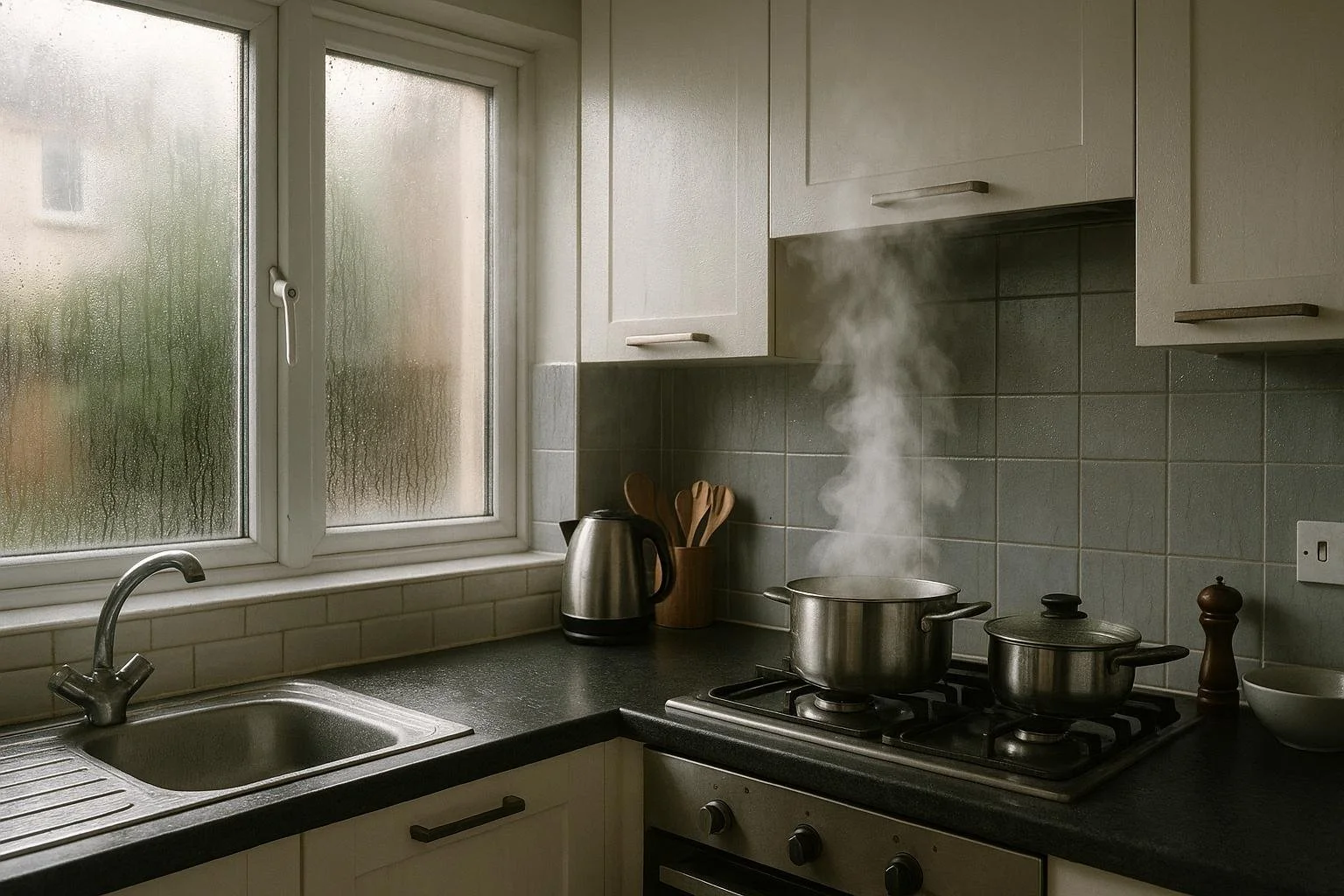
Ventilation in Housing
As New Zealand homes become more airtight and energy efficient, effective ventilation is essential to maintaining healthy indoor air. Explore how thoughtful design and mechanical ventilation can reduce moisture, improve comfort and support healthier, higher-performing homes.

Carrying Design Through Construction
Discover how continued architectural involvement connects design intent with the decisions made during construction, supporting coordination, quality and performance while carrying a project’s vision through to a better built outcome.
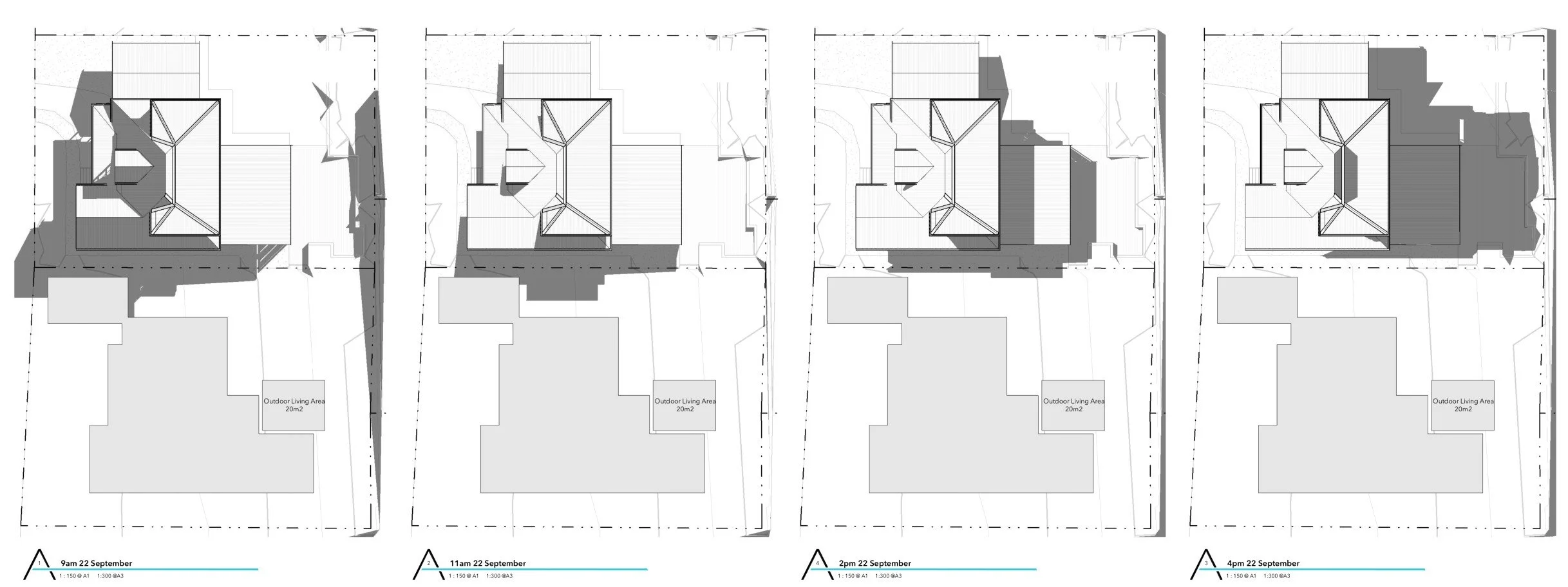
Boundary Activities
Small boundary infringements can have a significant impact on programme, cost, and neighbour relationships. Our latest article explains what deemed permitted boundary activities are, including how tools like shade diagrams help communicate impact, support neighbour approval, and how early design decisions can reduce risk and improve project certainty.
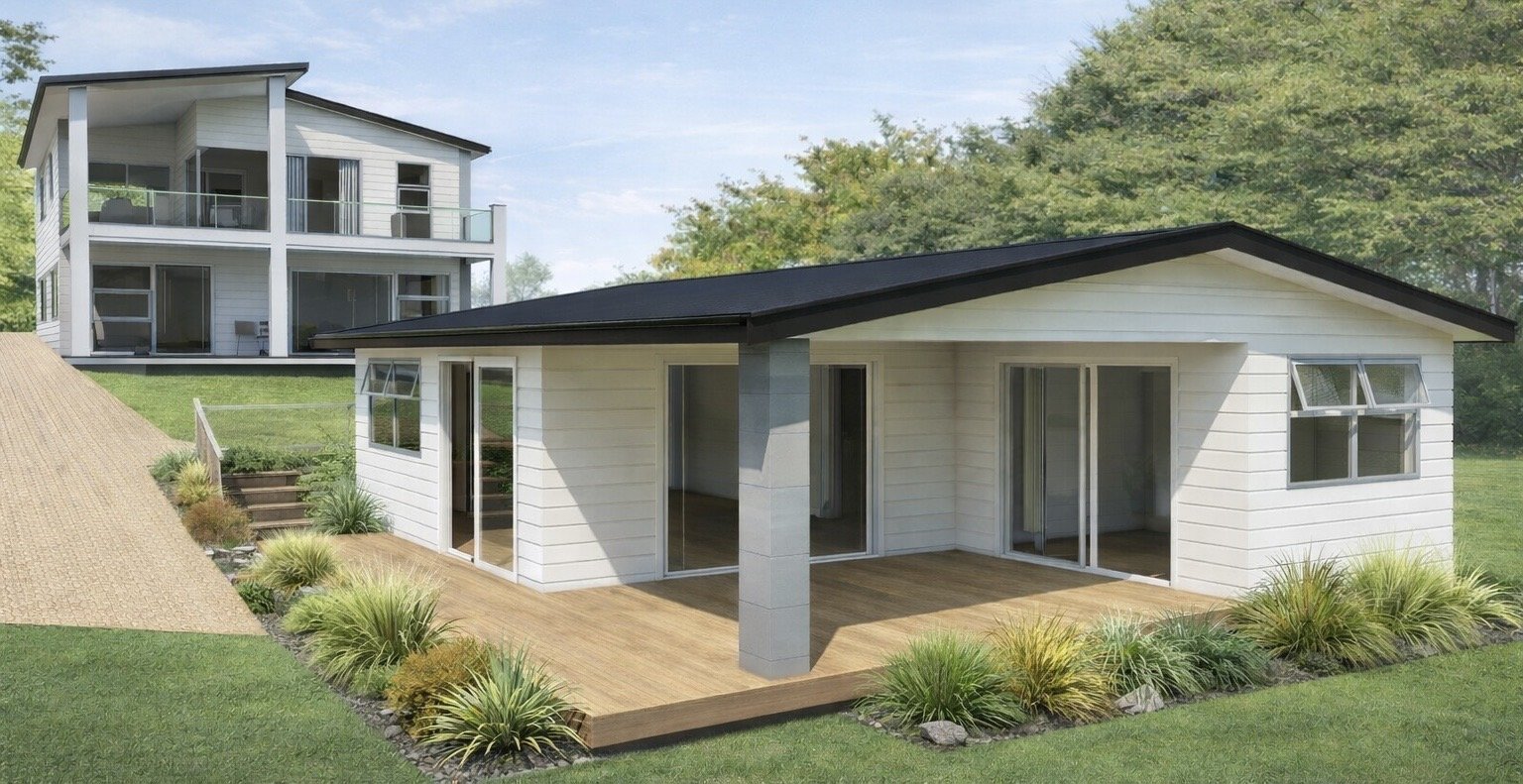
Granny Flats Without Consent
Recent changes allow some small stand-alone dwellings, commonly known as granny flats, proceed without a building or resource consent, where conditions are met. This article explores what has changed, where the risks sit for property owners, and why informed planning and architectural oversight are still essential.

Plan Change 120
Plan Change 120 Explained: What Auckland’s Future Housing Plan Means for Property Owners
Plan Change 120 proposes significant changes to how and where Auckland will grow. With intensification focused around transport, centres, and existing infrastructure, and natural hazard controls already in effect, understanding what applies to your property is essential. This article outlines the key elements of the Future Housing Plan, where to find accurate information, and what the changes may mean for future site potential.
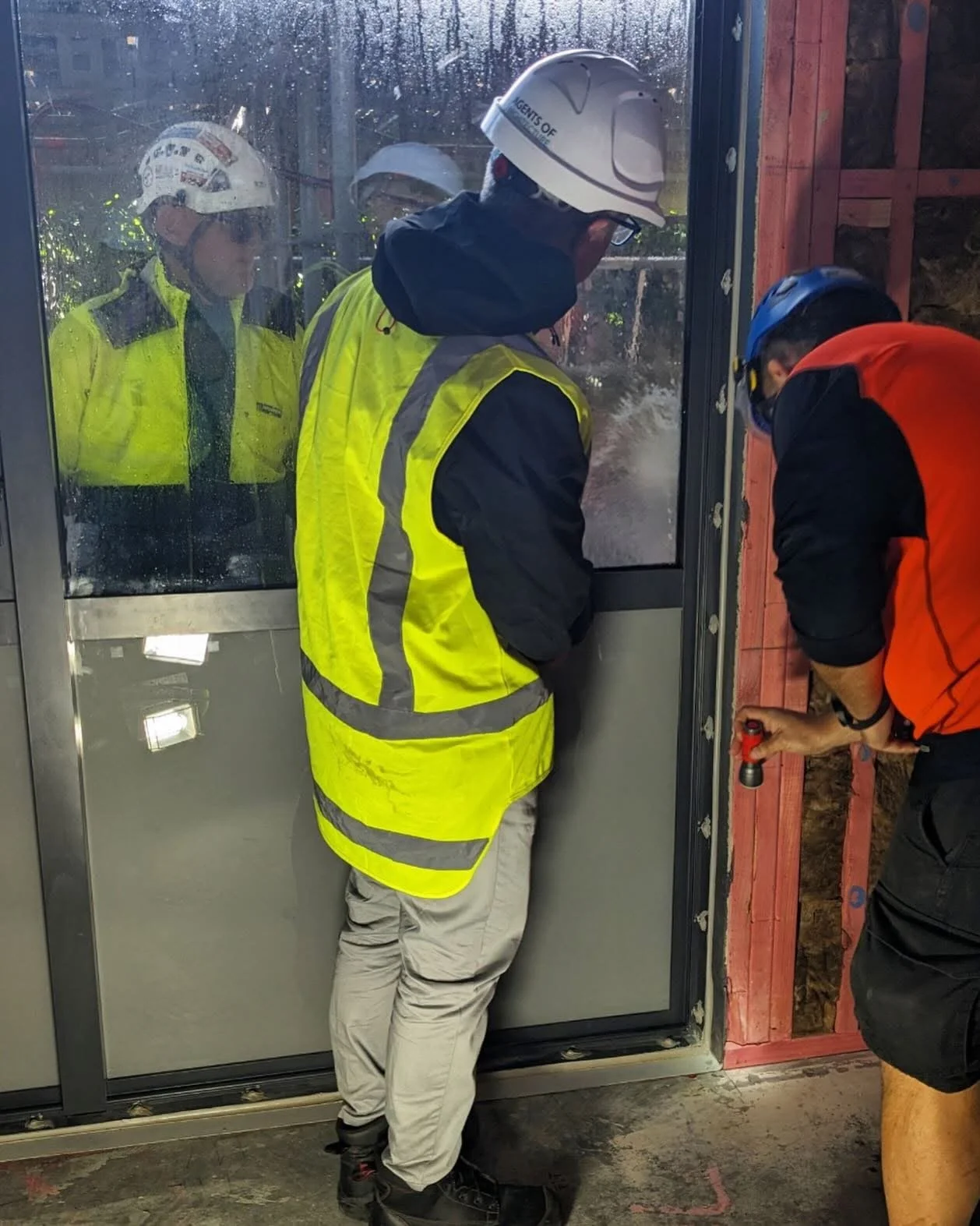
Managing Joinery Quality
Managing Joinery Quality
Managing joinery quality is a critical part of delivering durable, high-performing buildings. From early product compliance assessments to shop drawing review, construction observation, and on-site water-penetration testing, our structured approach helps reduce risks and supports long-term performance. This article outlines the processes we follow to ensure joinery systems meet both design and compliance expectations.

Understand the Consent Process
Understand the Consent Process
Getting consent is an essential part of most construction projects in New Zealand. This article explains the differences between building and resource consents, common mistakes that cause delays, and how understanding the process can help keep your project on track. Whether you’re a homeowner, developer, or commercial client, knowing what to expect makes planning smoother and more efficient,

Don’t Get Burnt!
Don’t Get Burnt! Addressing Fire Compliance in Existing Buildings. When altering, upgrading, refurbishing or remediating an existing building, fire compliance must be carefully integrated into the design and construction to comply with the New Zealand Building Code (NZBC) and Section 112 of the Building Act 2004. This requires that buildings undergoing alterations do not become less compliant with fire requirements than they were before, and, where practical, improvements need to be made to better protect occupants, those escaping from the building and enable emergency responders to attend to the fire and occupants.

Filling The Gaps
Filling the Gaps - The Thermal Performance of Framed Walls
The space for insulation in our walls is often significantly impacted by other materials being used to fill difficult areas, usually for construction and buildability reasons, and mostly where there are relatively small gaps between other assemblies.
In a site visit last week, we saw just such a detail constructed between two large window openings. The space, probably deemed onsite as too small for the practicable inclusion of insulation between the steel structure and the window apertures, was roughly filled with timber. We sent the image to Ruth Williams of InsideOut to discuss some of the implications for thermal performance and moisture management.
As we see, the practical and thermal make-up of our walls, often designed to include insulation between timber or steel framing, can often not be as ideal as first envisaged – and once a building is complete, we can no longer tell what is behind the internal lining.