
Sustainable Design
Purposeful design for people and the environment.
Sustainable architecture is about making informed decisions that improve building performance, reduce environmental impact and create healthier, more comfortable spaces for the people who use them.
At Agents of Architecture, sustainability is an integral part of our approach to design. From early feasibility and material selection through to construction, we consider how each decision can contribute to better outcomes over the life of a building. Our Auckland-based team includes Green Star Accredited Professionals (GSAPs), bringing recognised sustainability expertise to residential, commercial, industrial and refurbishment projects.
Whether you're pursuing formal sustainability certification or looking to improve your building's environmental performance, we help identify practical opportunities that align with your project goals, budget and long-term priorities. Beyond our project work, we recognise our responsibility to consider the environmental impact of our own operations and to continue identifying opportunities to improve how we work.
Sustainable Design Starts Early
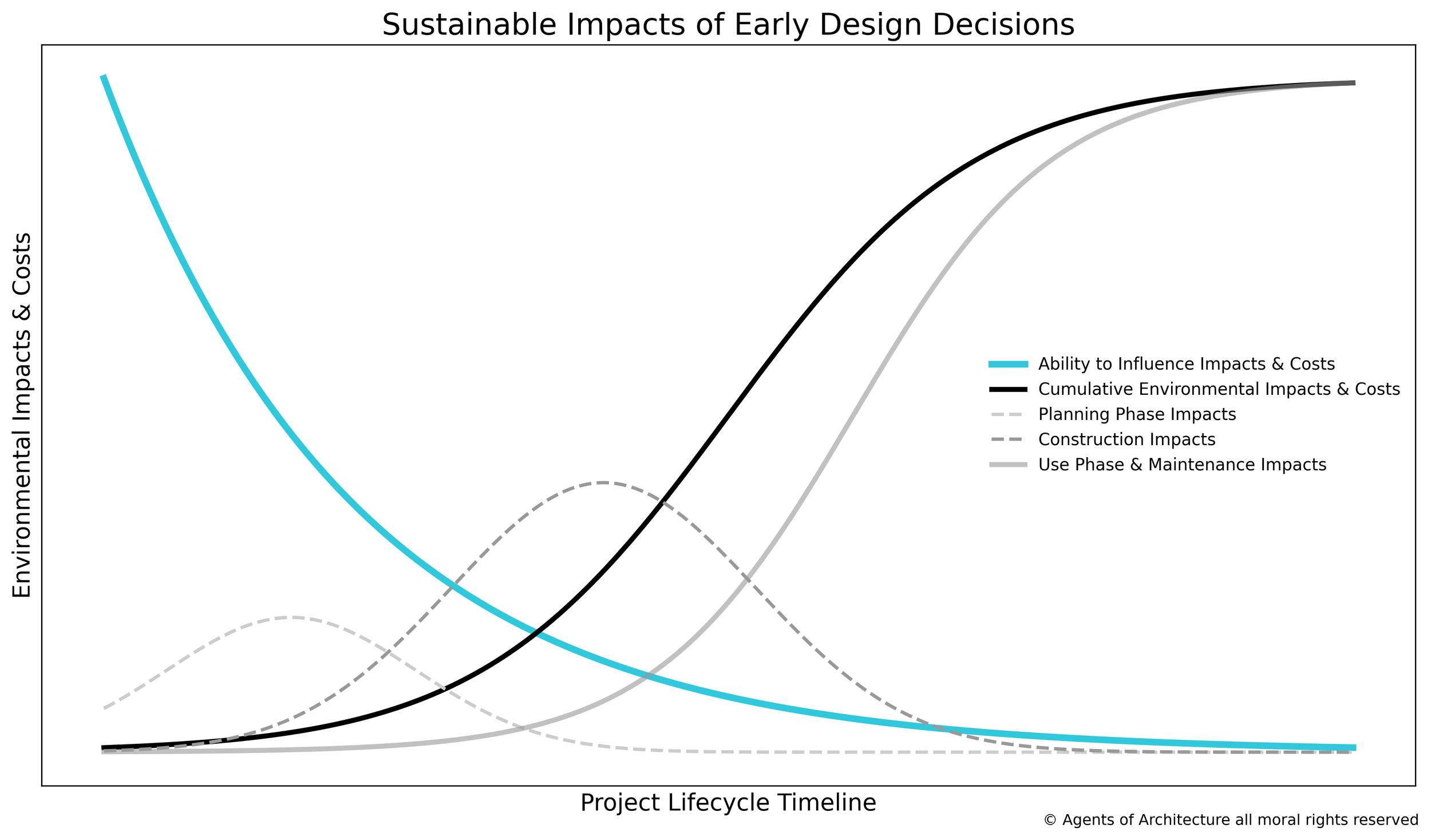
Some of the most significant opportunities to improve a building's environmental performance are identified before the design is fully developed.
Early decisions about site planning, building orientation, form, materials and the retention of existing structures can influence energy demand, resource use, comfort and long-term operating costs.
We work with clients and specialist consultants to explore these opportunities from the outset, considering environmental implications alongside functionality, cost and buildability.
By incorporating sustainability into early decision-making, we can help clients understand their options and establish clear priorities before committing to a particular design approach.
Our Approach to Sustainability
We believe sustainable design should be part of every project, regardless of its size, budget or whether formal environmental certification is being pursued.
Our approach offers three levels of commitment, allowing clients to understand what is included in our standard architectural services and explore opportunities to achieve higher levels of building performance.

1 - Sustainability considered in every project.
Sustainable design principles form part of our standard architectural practice. We take a holistic approach to building performance, considering opportunities to improve energy efficiency, material selection, durability, occupant comfort and environmental impact.
Our focus is on incorporating practical sustainability measures that can improve performance beyond minimum Building Code requirements, with negligible additional cost where achievable. This includes considering passive design strategies, efficient use of materials and the long-term maintenance and adaptability of buildings.
By embedding these considerations into everyday design decisions, we establish a foundation for responsible design across all our projects.
2 - Going further to improve performance.
For clients looking to achieve higher levels of sustainability, we offer an enhanced approach tailored to their project objectives, priorities and budget.
Building on our standard practice, we explore additional opportunities to improve energy efficiency, thermal comfort, resource efficiency, resilience and environmental performance. This may involve more detailed building performance assessments, alternative materials, improved building envelope design or additional sustainable technologies. For selected projects, we also undertake carbon assessments to help clients understand the environmental impact of material and design decisions.
Enhanced Sustainability allows clients to pursue meaningful environmental improvements without necessarily seeking formal third-party certification.
3 - Pursuing recognised certification.
For clients seeking to demonstrate a higher level of environmental commitment, we support projects pursuing recognised third-party sustainability certification.
Certification frameworks provide measurable criteria for building performance and independent assessment of environmental outcomes. Depending on the project, these may also offer benefits relating to operating costs, asset value, tenant expectations and access to sustainability-linked finance.
We work with clients to identify an appropriate certification pathway, understand the associated requirements and integrate sustainability objectives into the design and delivery process. This includes coordinating specialist assessments, such as Life Cycle Assessments (LCAs), where required to support certification.
Our Green Star Professionals
Our team includes Green Star Accredited Professionals (GSAPs) and a Green Star Associate, bringing specialist sustainability knowledge and recognised qualifications through the New Zealand Green Building Council (NZGBC).
We help clients establish sustainability objectives, identify opportunities to improve environmental performance and integrate sustainable design principles into their projects. For projects pursuing Green Star certification, our GSAPs support the coordination of sustainability requirements with the wider consultant team, from early design through to construction.
This expertise also benefits projects that are not seeking formal certification, helping clients make informed decisions that align with their sustainability goals, budget and project priorities.



Our Contribution to the UN Sustainable Development Goals
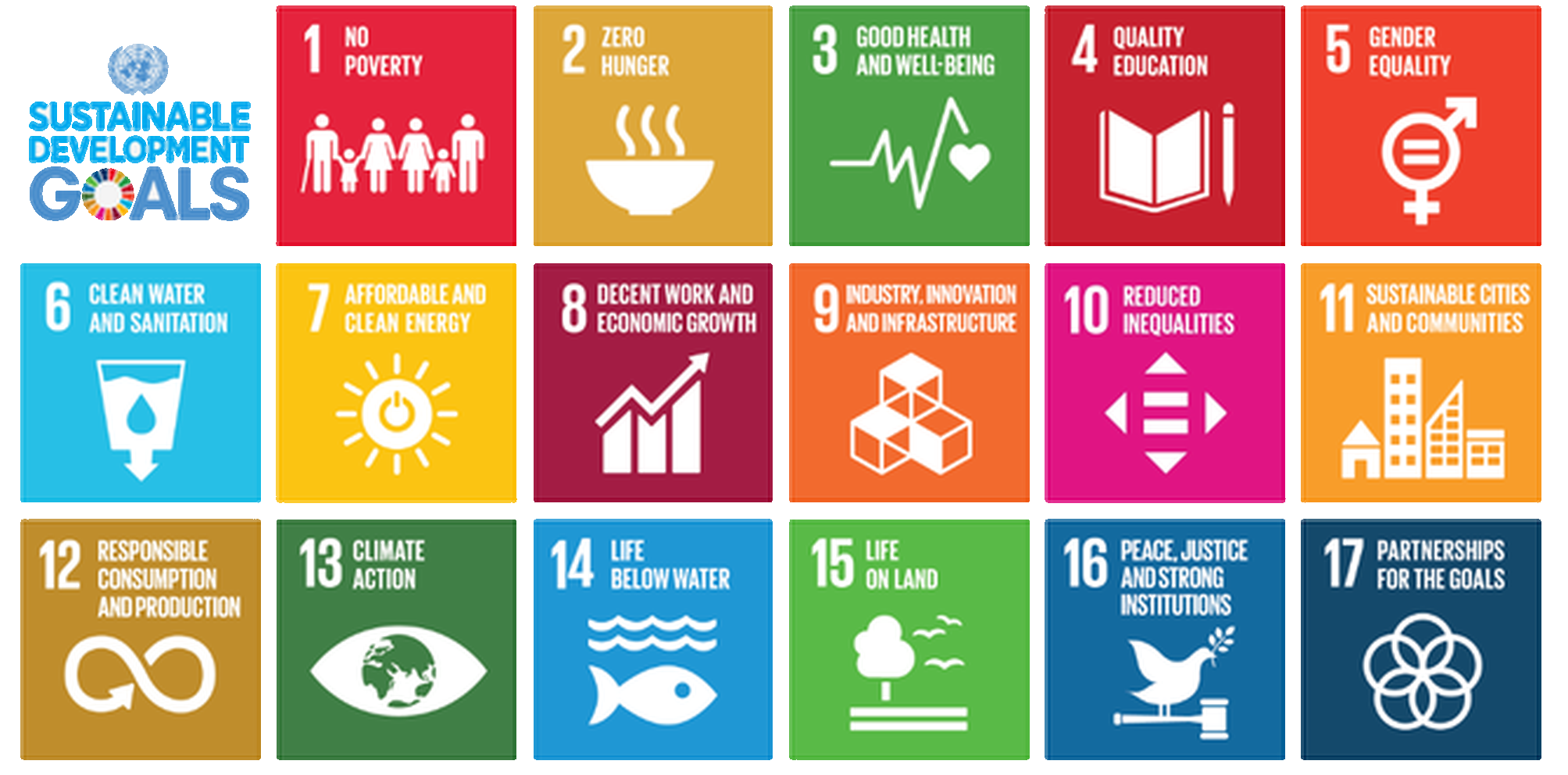
The United Nations Sustainable Development Goals (SDGs) provide a global framework for creating a more sustainable future. Alongside the principles of Kaitiakitanga 2030 developed by Te Kāhui Whaihanga New Zealand Institute of Architects, they help guide our commitment to purposeful design and positive impact.
Across our projects, we identify the SDGs that align with our design decisions and outcomes, demonstrating how architecture can contribute to healthier environments, responsible resource use and more resilient communities.
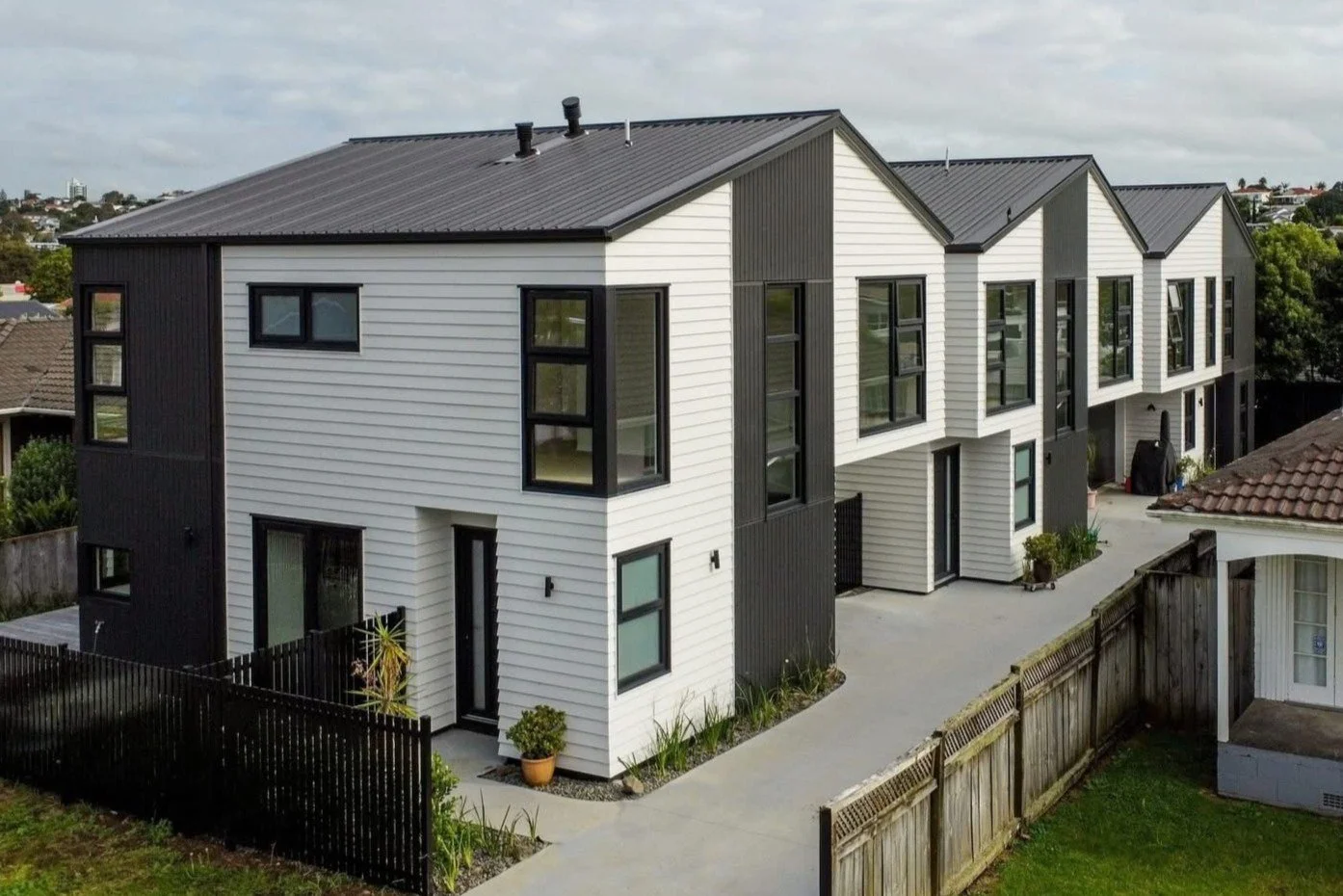
Sustainable Design in Practice
Frequently Asked Questions
-
Yes. Sustainability is part of our Standard Practice, where we consider building performance, material selection, energy efficiency and environmental impact. Clients can also choose our Enhanced Sustainability or Sustainability Leadership approaches to pursue higher levels of performance.
-
Not necessarily. Many sustainable design decisions can be incorporated early with minimal additional cost. Other improvements may require greater upfront investment but offer benefits through reduced operating costs, improved comfort and building performance over time. We help clients evaluate these opportunities against their priorities and budget.
-
Absolutely. Our Enhanced Sustainability approach focuses on improving environmental performance without requiring formal certification. We work with clients to identify practical measures that suit their project and sustainability goals.
-
Yes. Refurbishment, remediation and adaptive reuse offer opportunities to improve energy efficiency, comfort and building performance while retaining existing structures and materials. We assess each building to identify appropriate improvements.
-
Ideally, during feasibility or early design. Decisions about building orientation, form, materials and construction systems can significantly influence environmental performance. Early involvement allows us to explore opportunities before key design decisions are made.
Insights on Sustainable Design


Let's Discuss Your Project
Whether you're planning a new development, improving an existing building or exploring Green Star certification, we can help you identify opportunities to incorporate sustainability into your project.
Contact our team to discuss your sustainability goals and how we can assist.